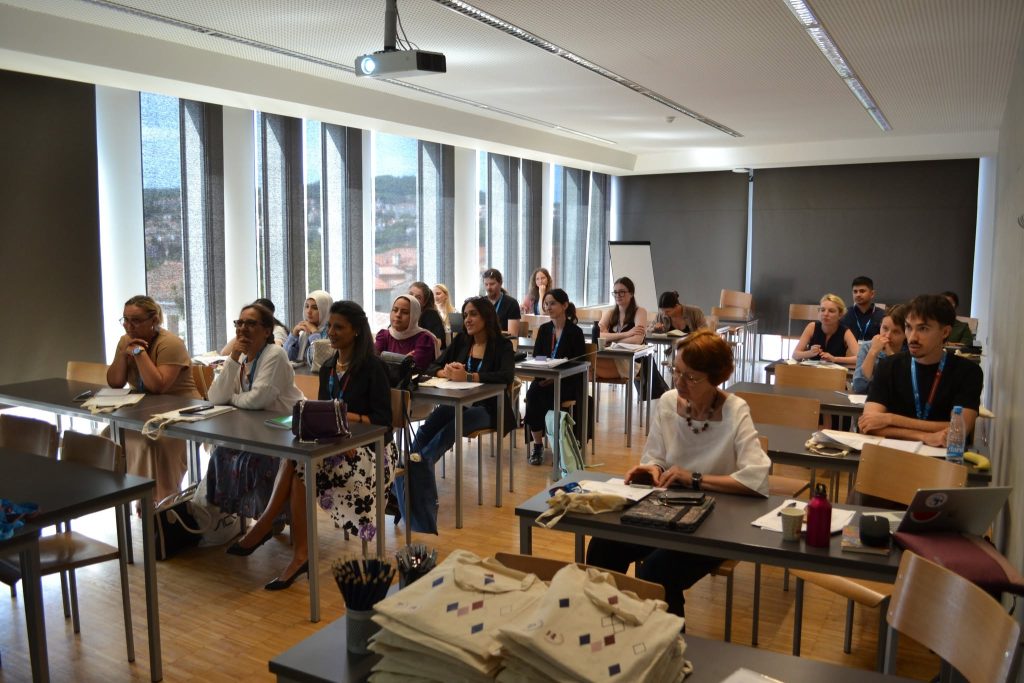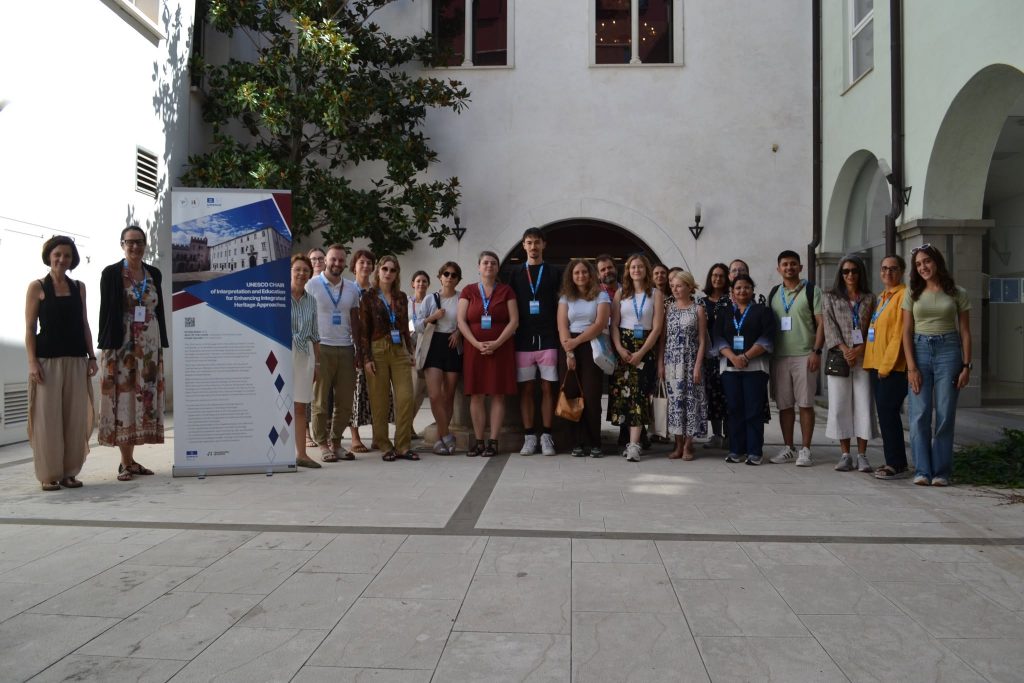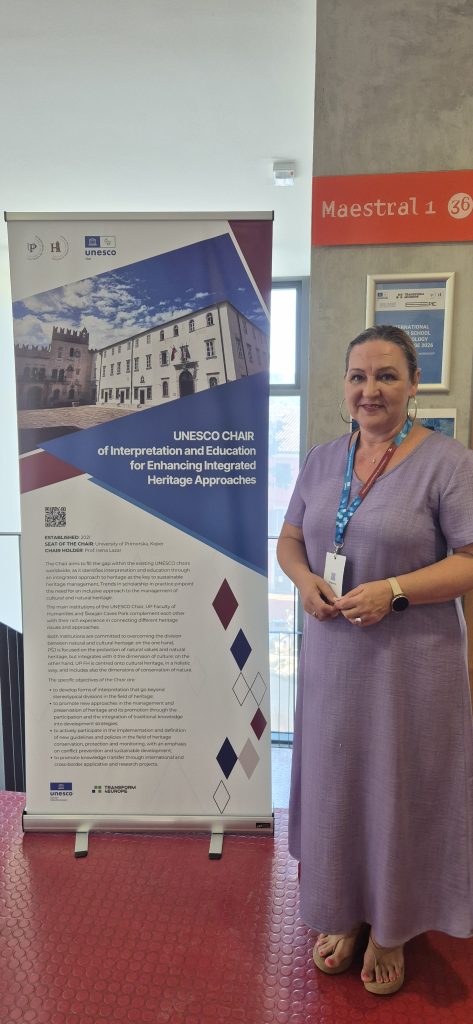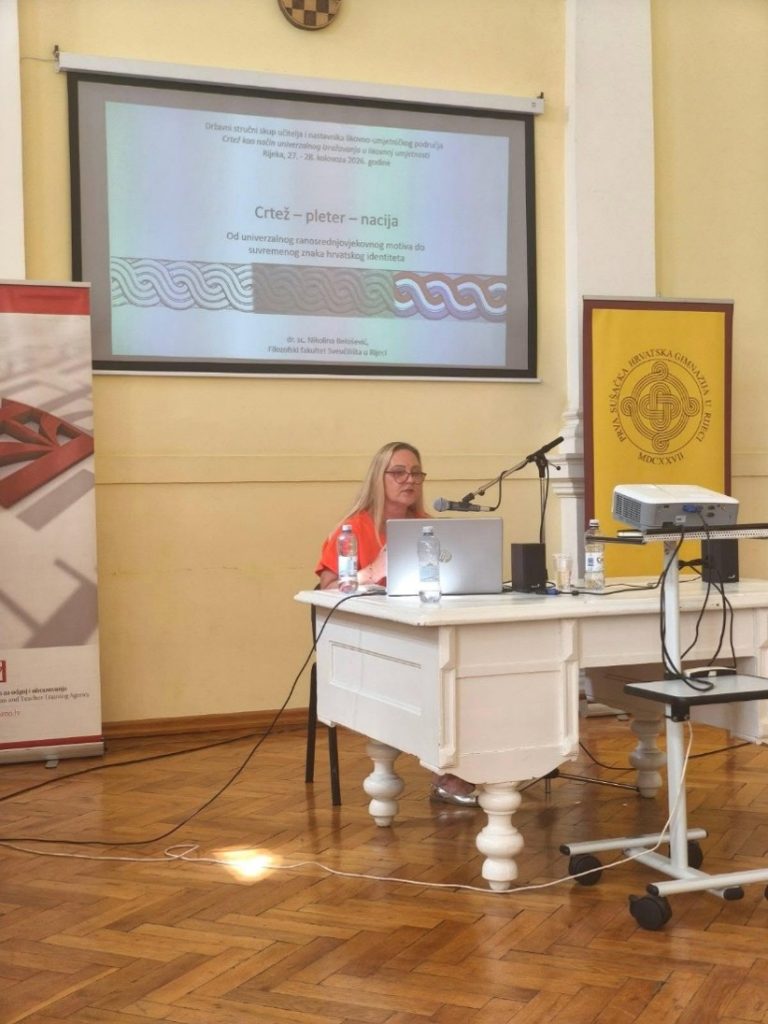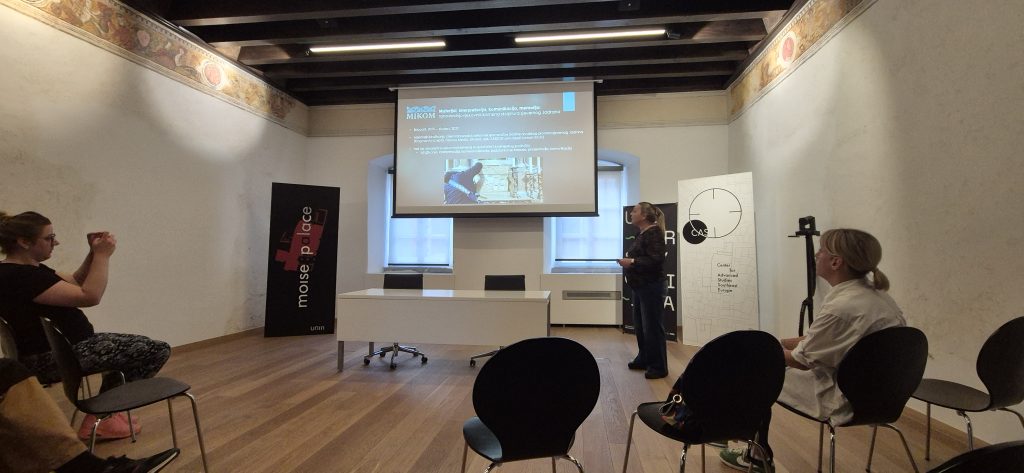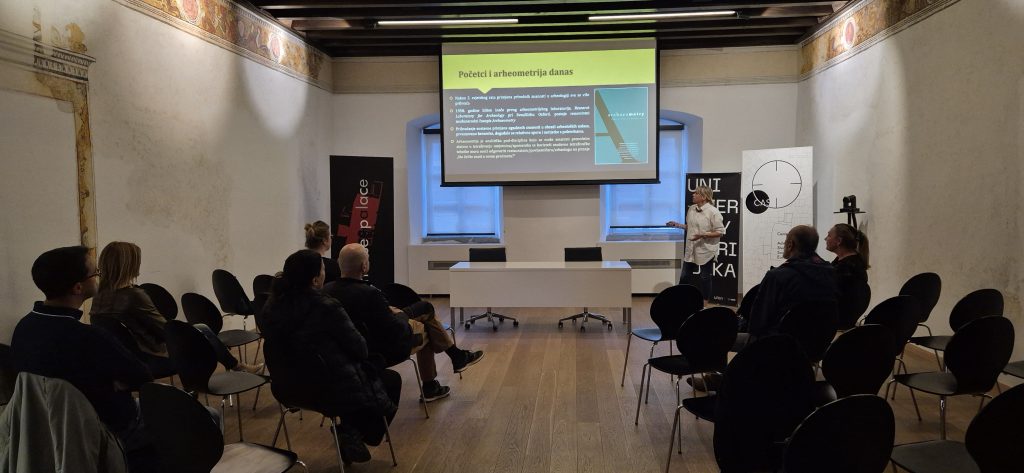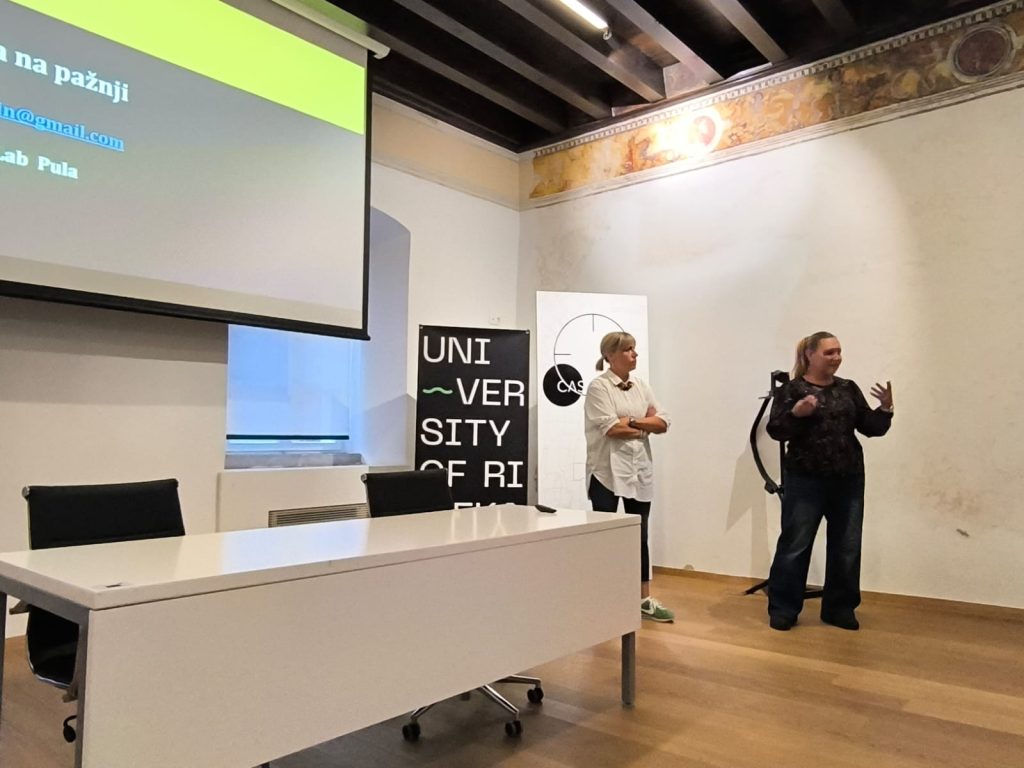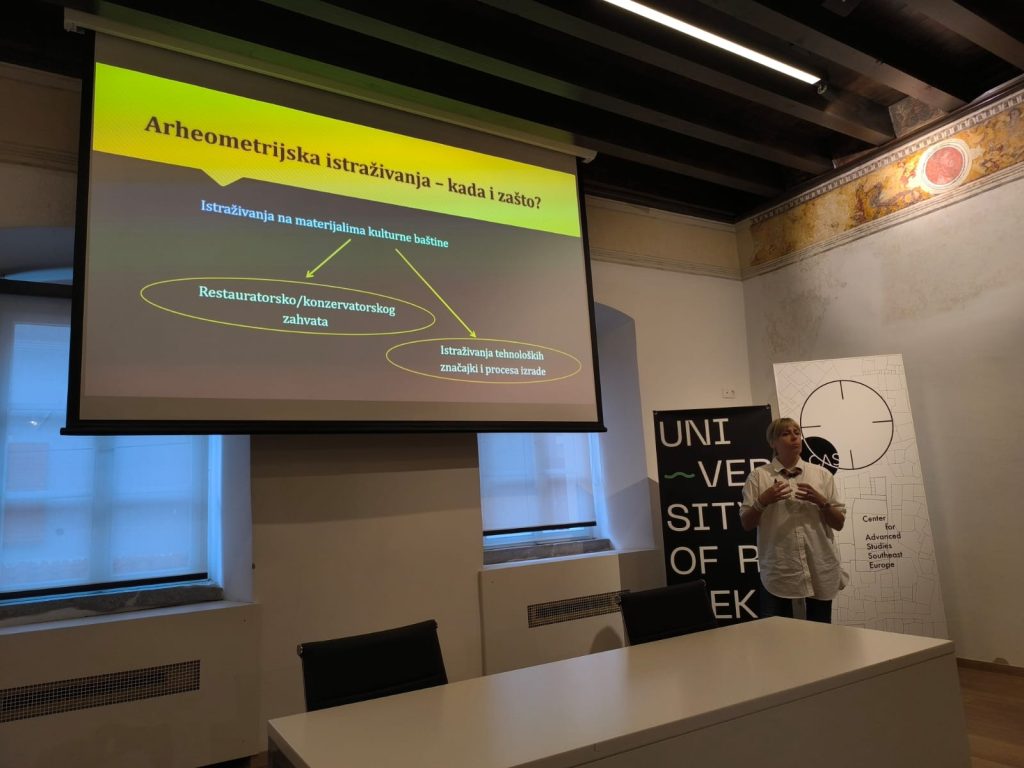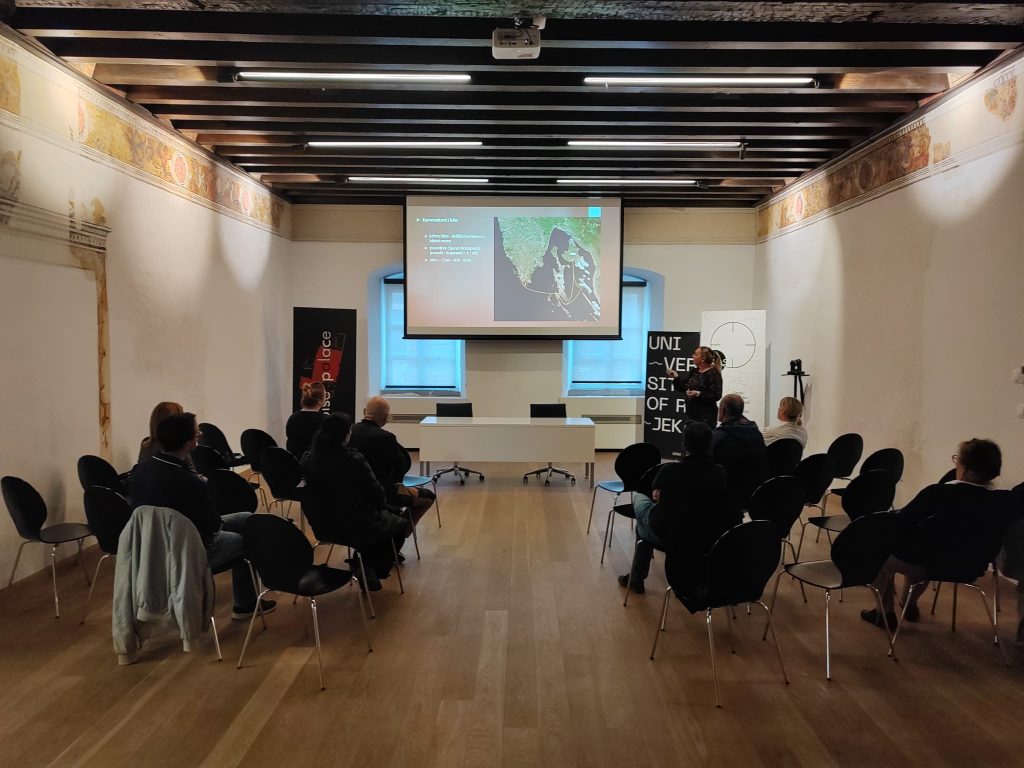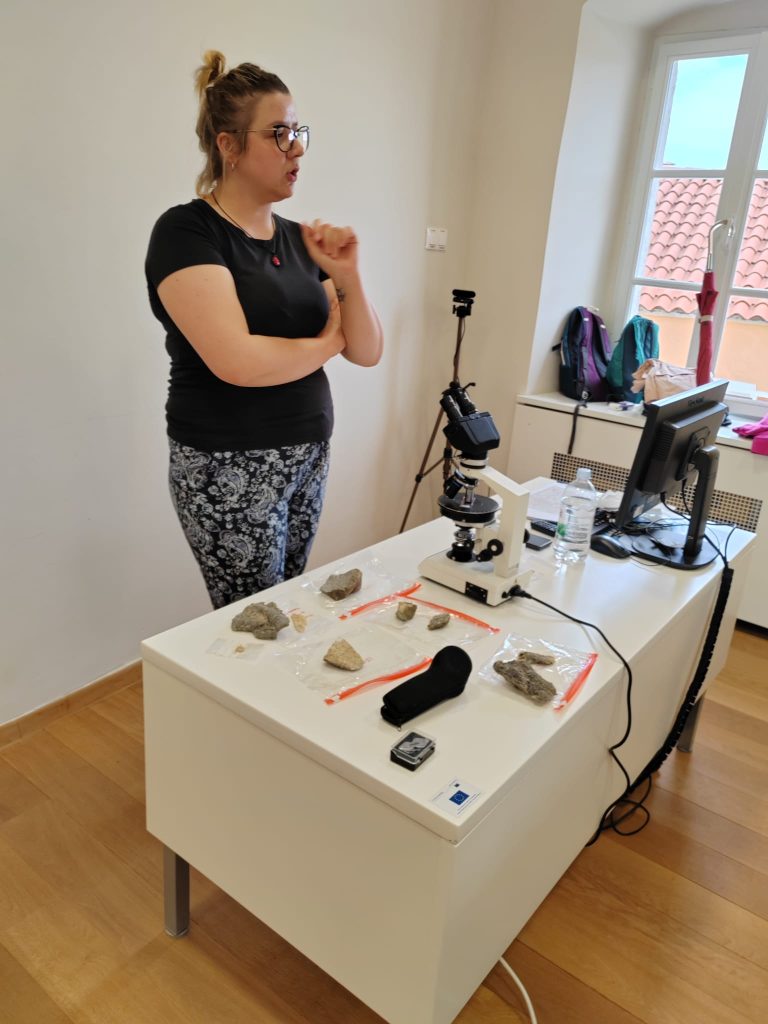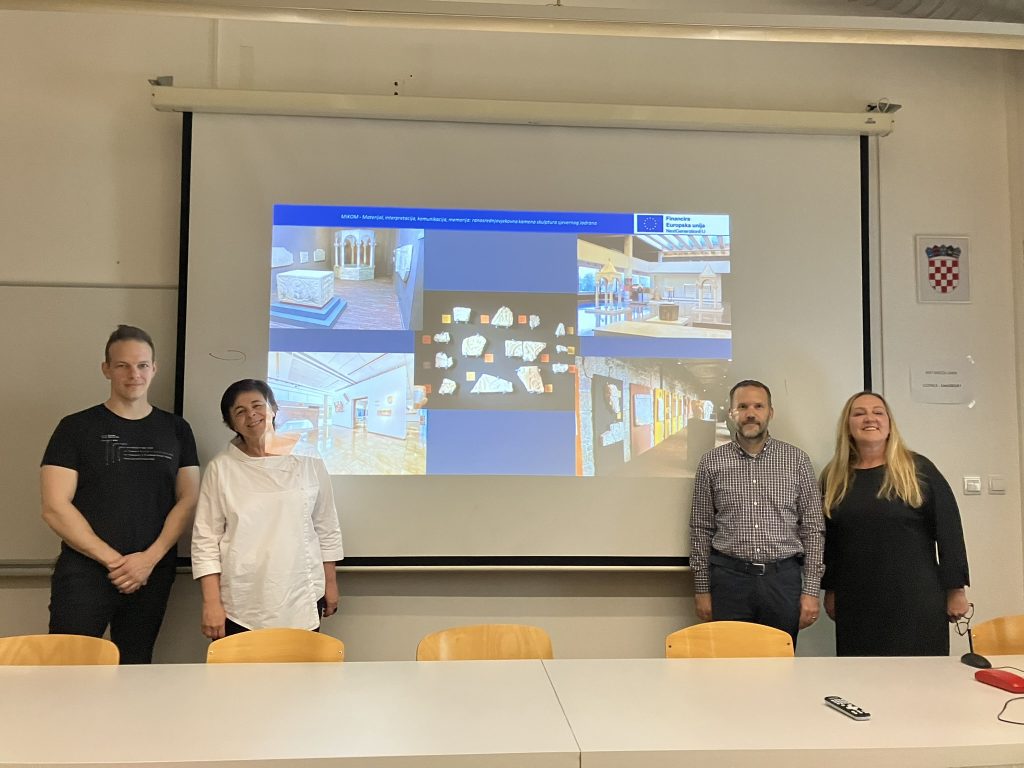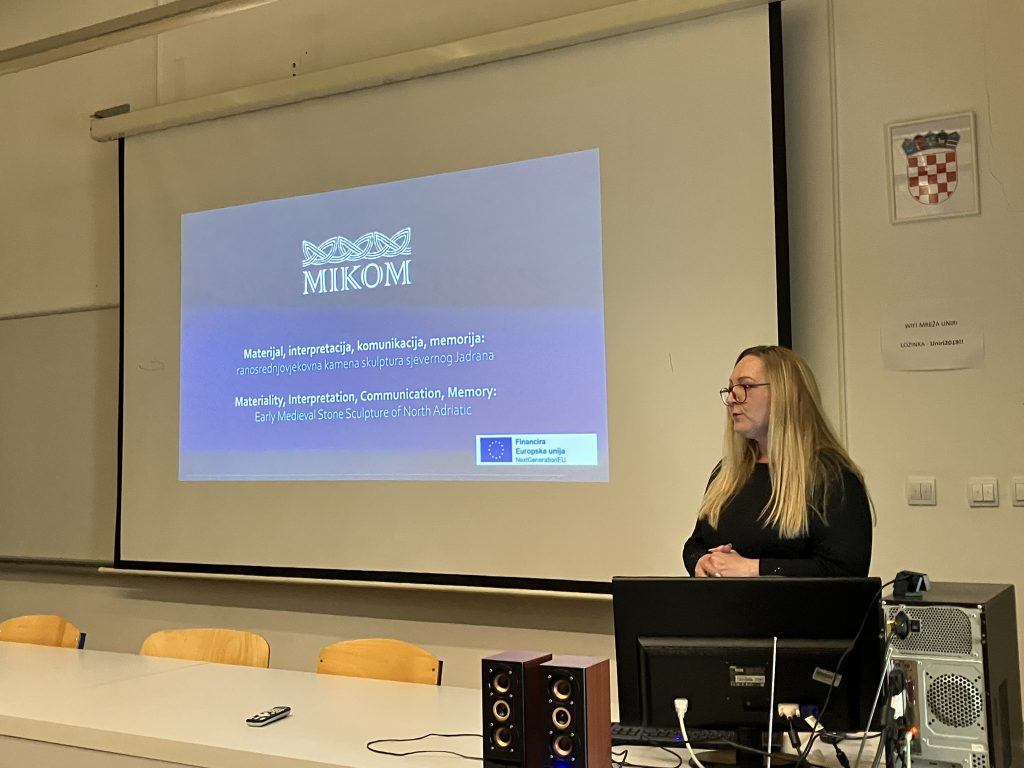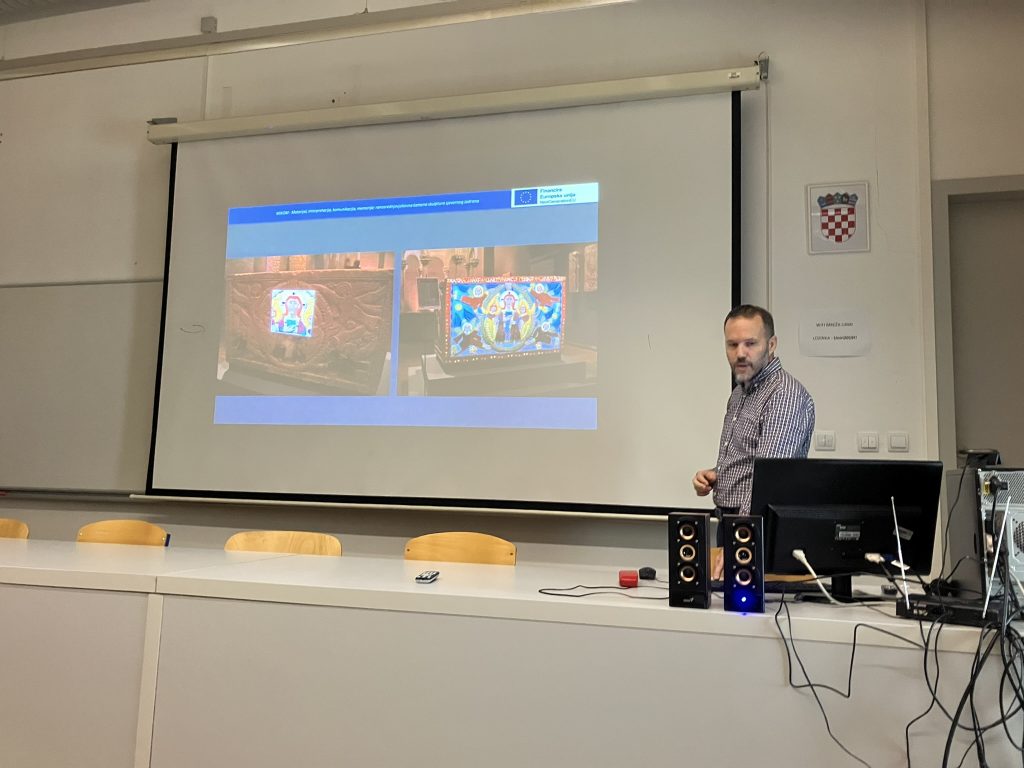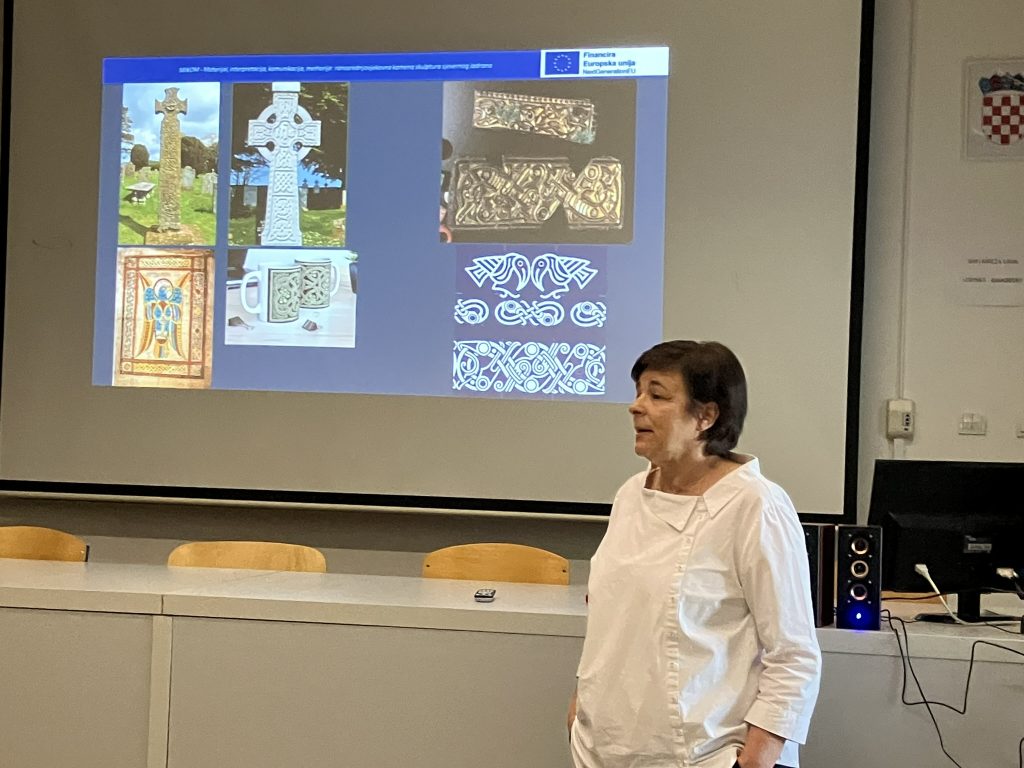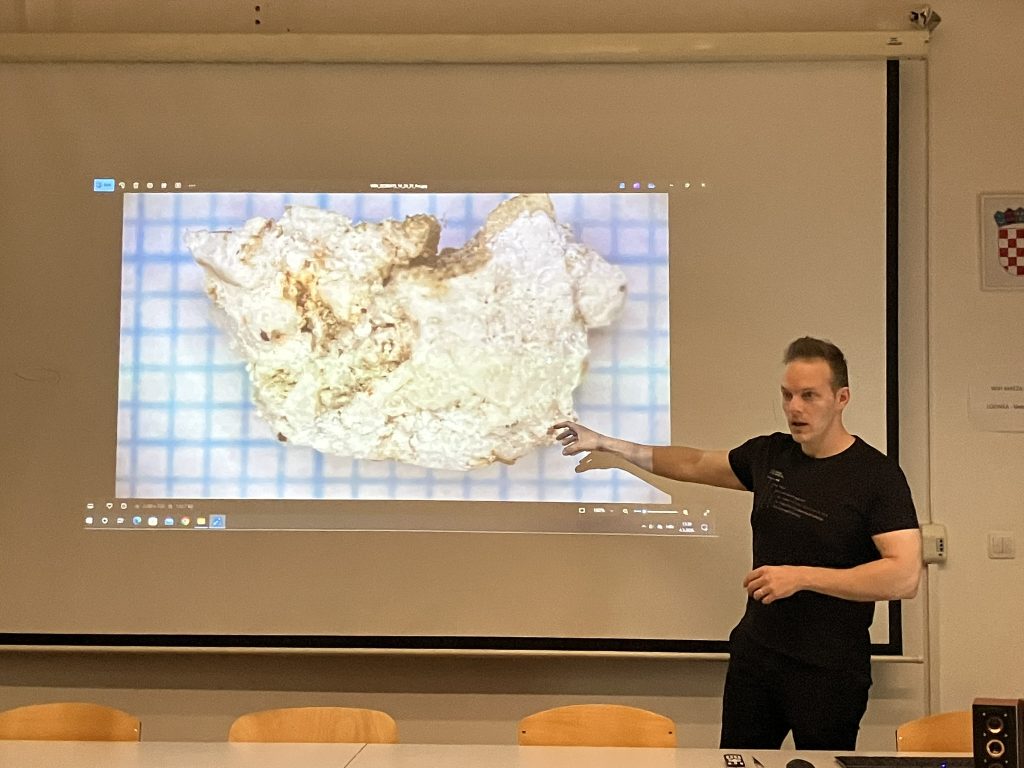
Two lectures related to the theme “Stories Behind the Interlace – Research on the Early Medieval Sculpture of the Kvarner Islands” were held on 7 May 2026 at Moise Palace in the town of Cres as part of the University of Rijeka’s “UNIRI for the People of Cres” programme. The lectures presented the results of research conducted within the project “Material, Interpretation, Communication, Memory: Early Medieval Stone Sculpture of the Northern Adriatic – MIKOM.”
Dr. Nikolina Belošević presented new insights into the early medieval sculpture of the Kvarner region, while Dr. Tea Zubin Ferri discussed the methods and results of archaeometric research on the stone materials of the northern Adriatic.
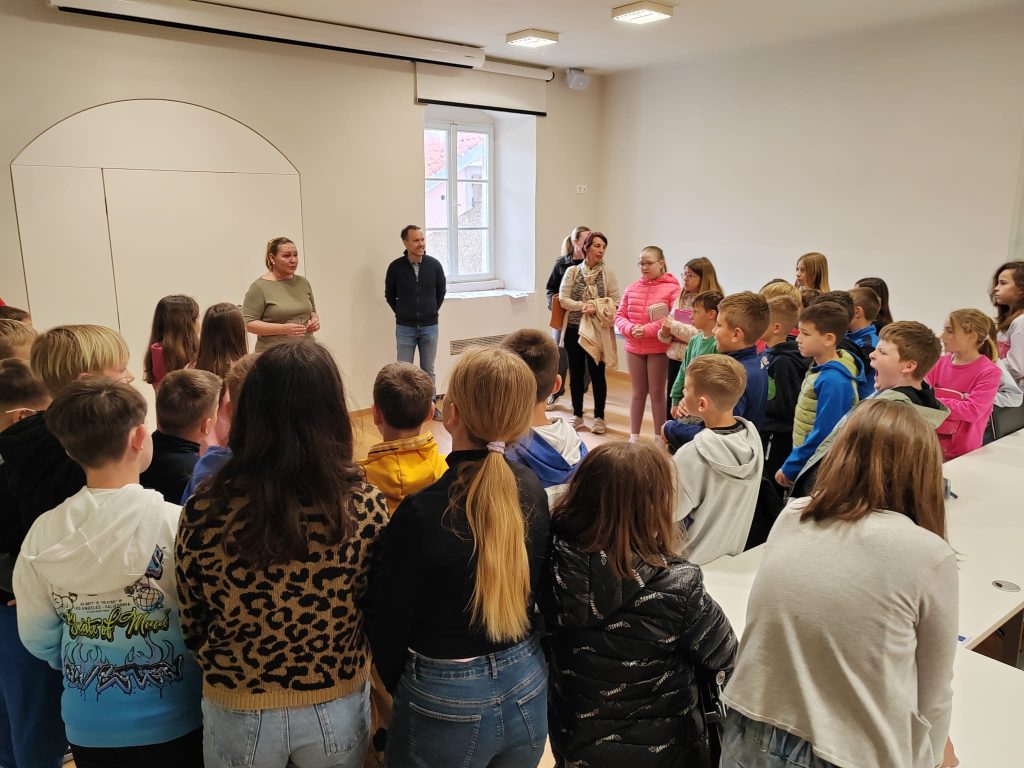
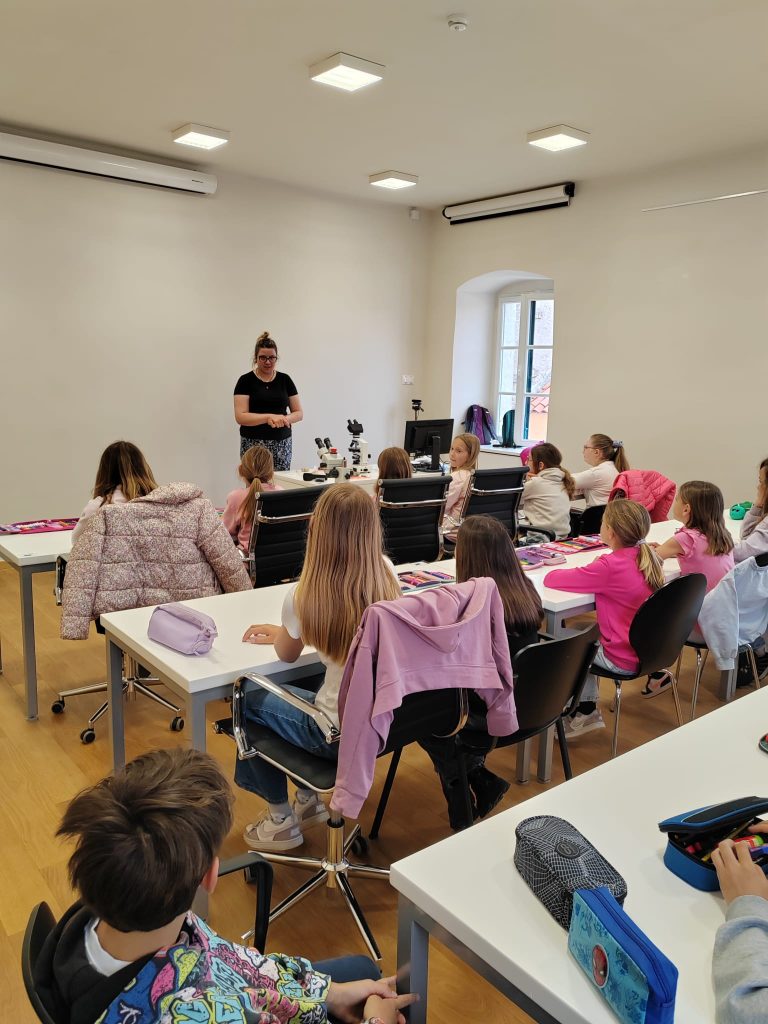
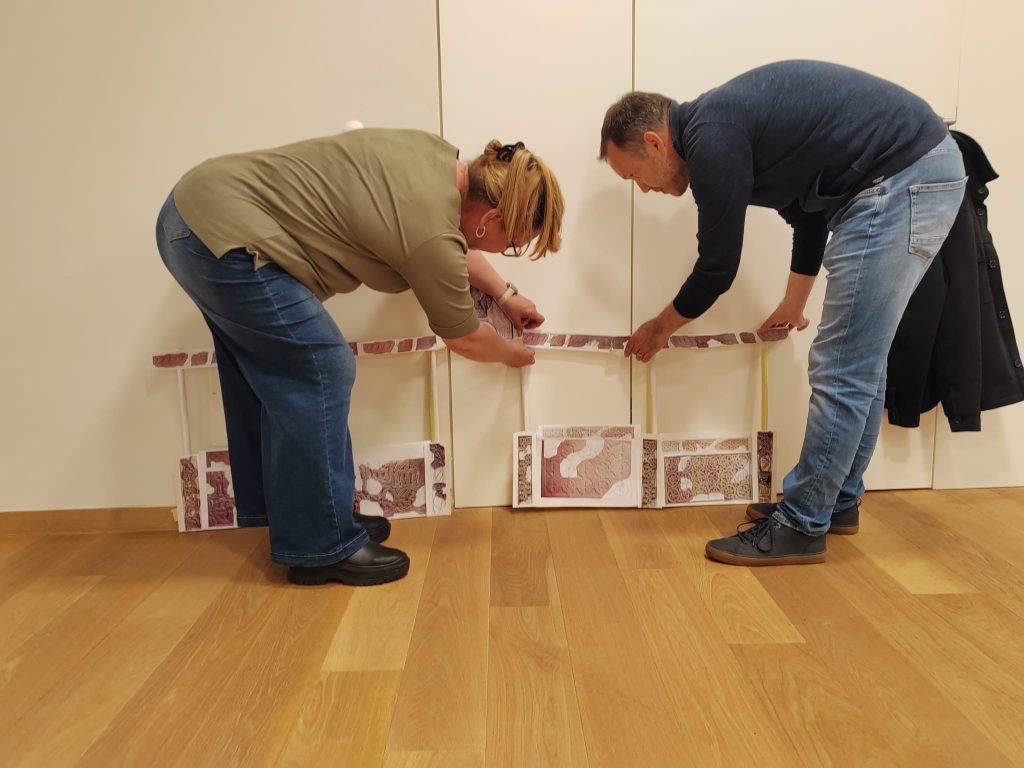
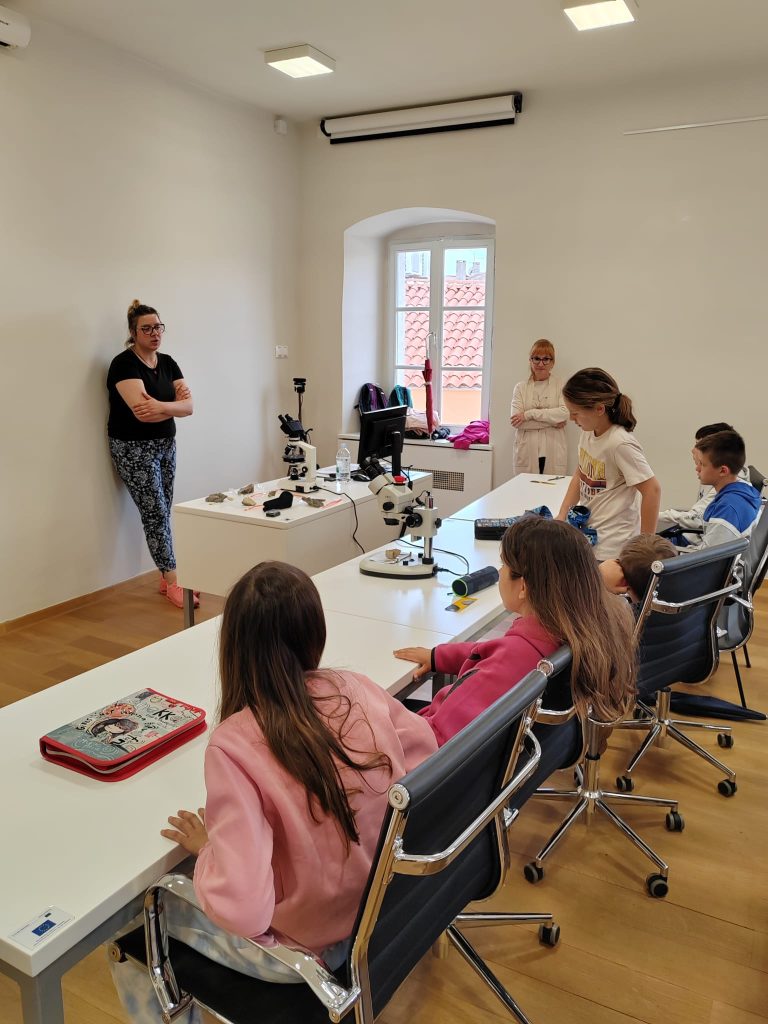
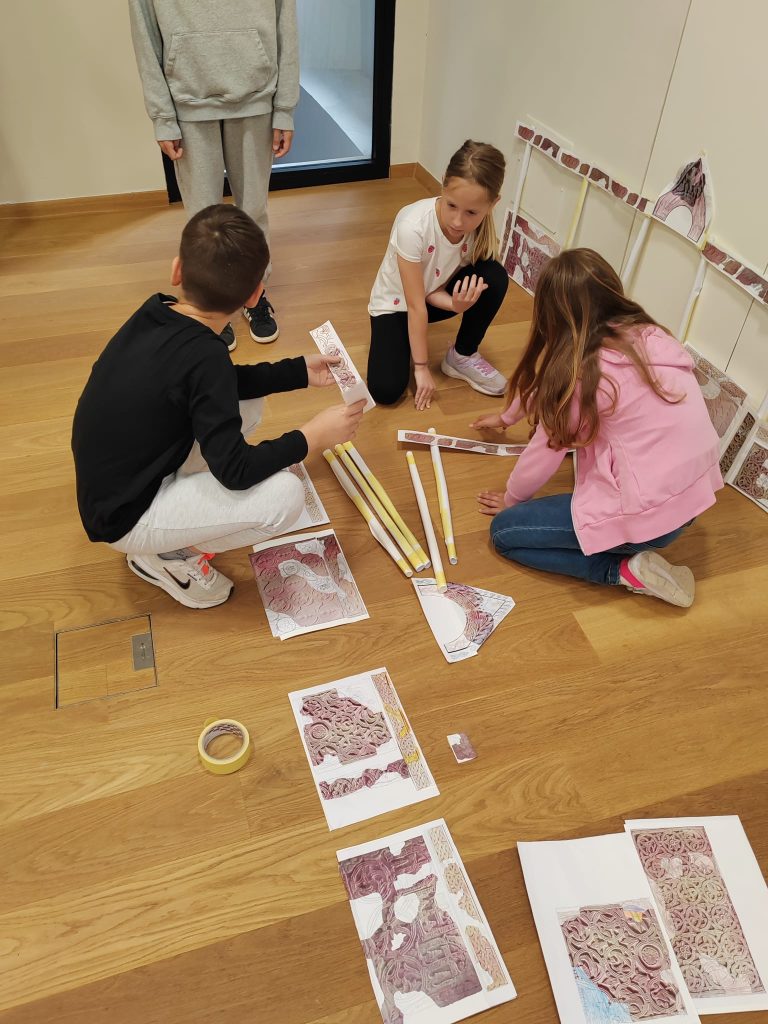
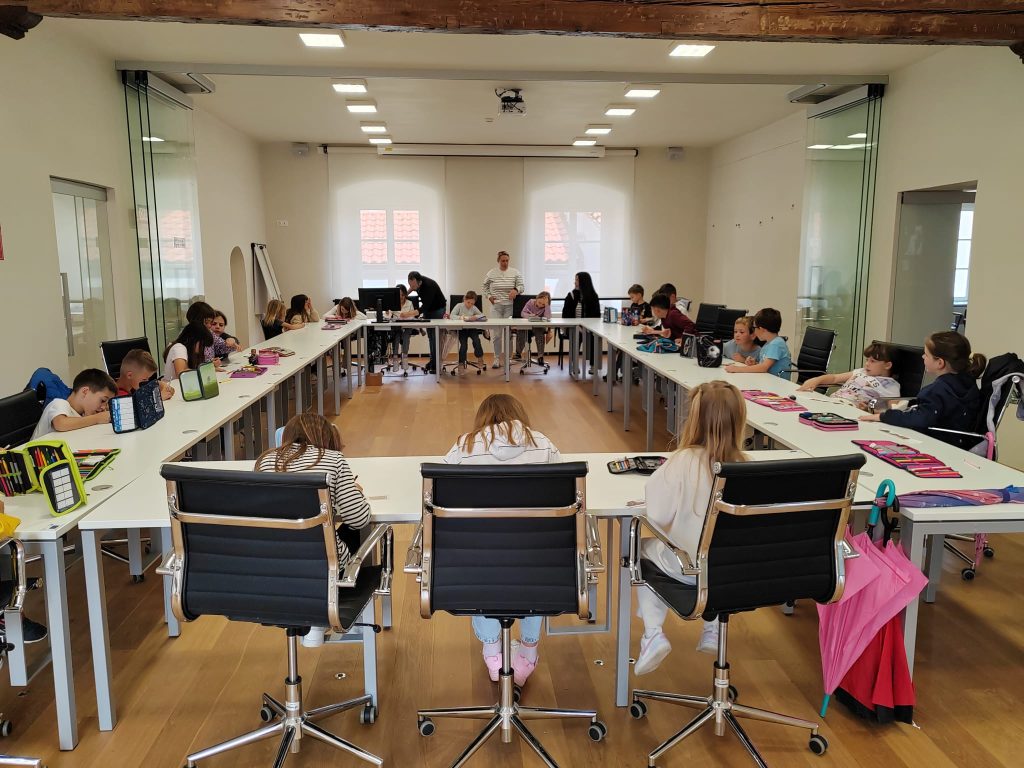
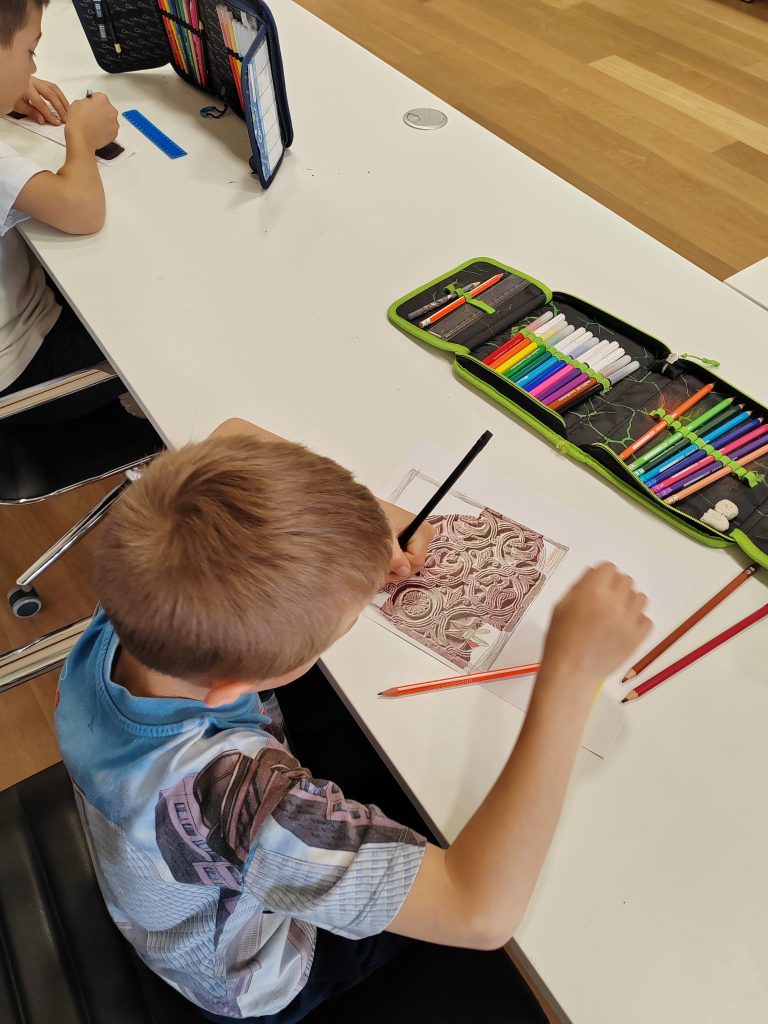
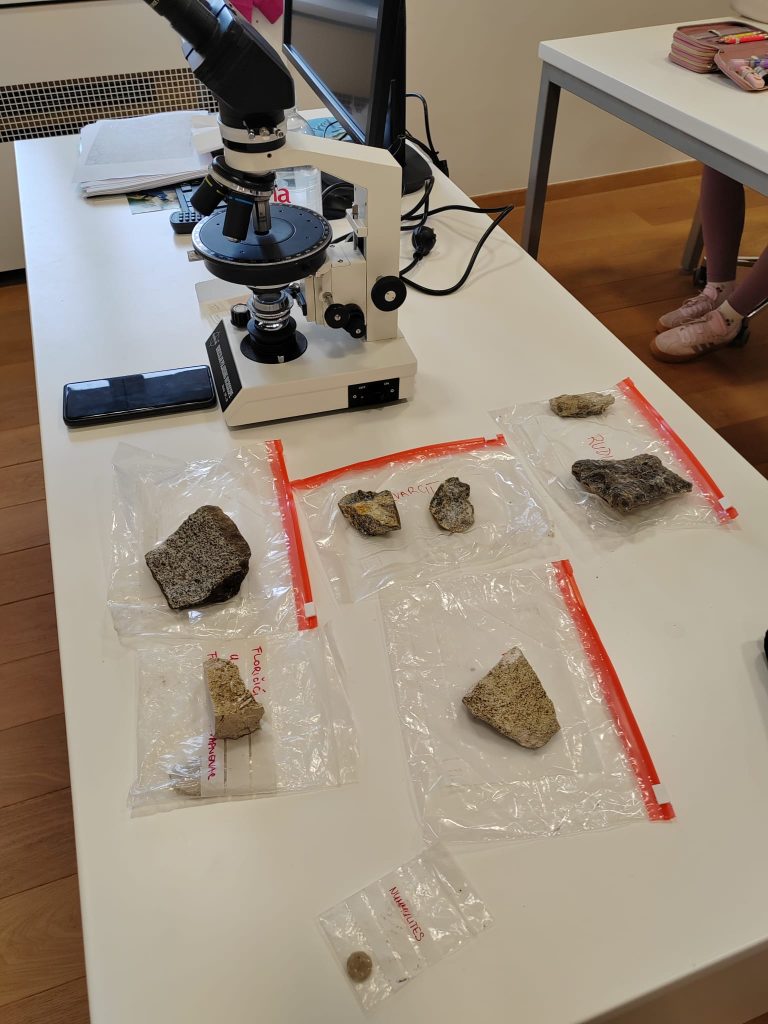
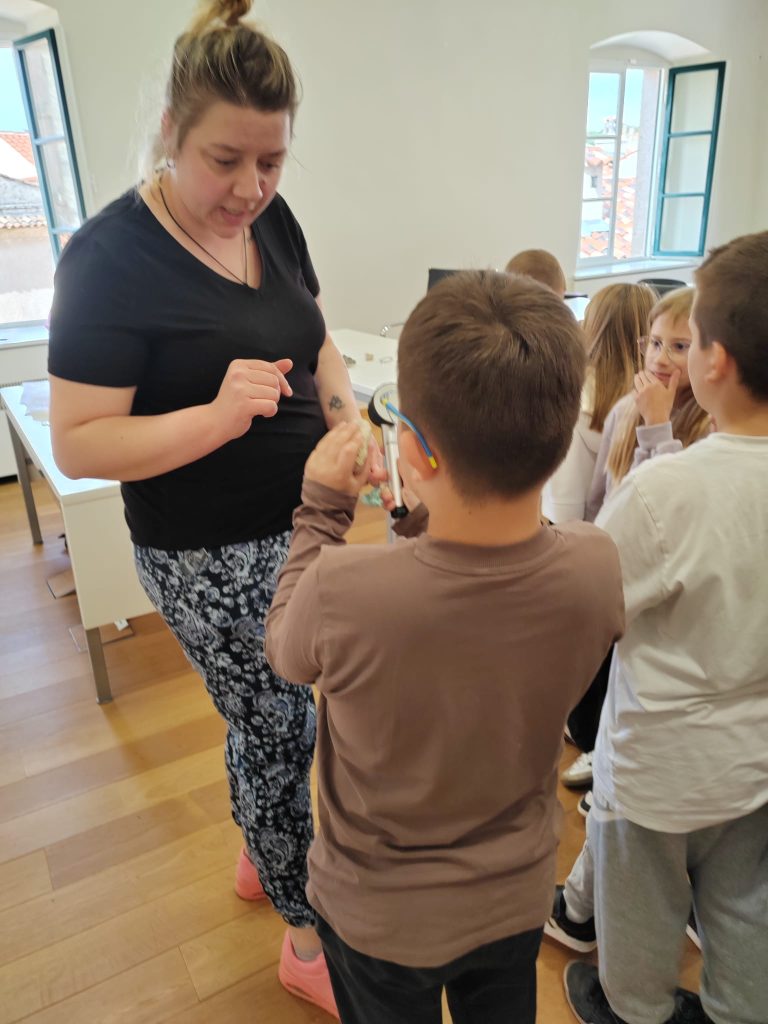
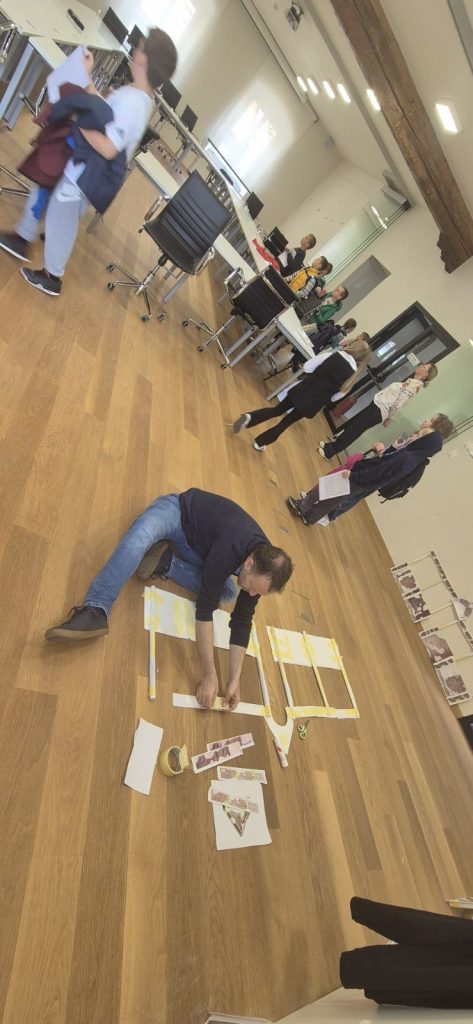
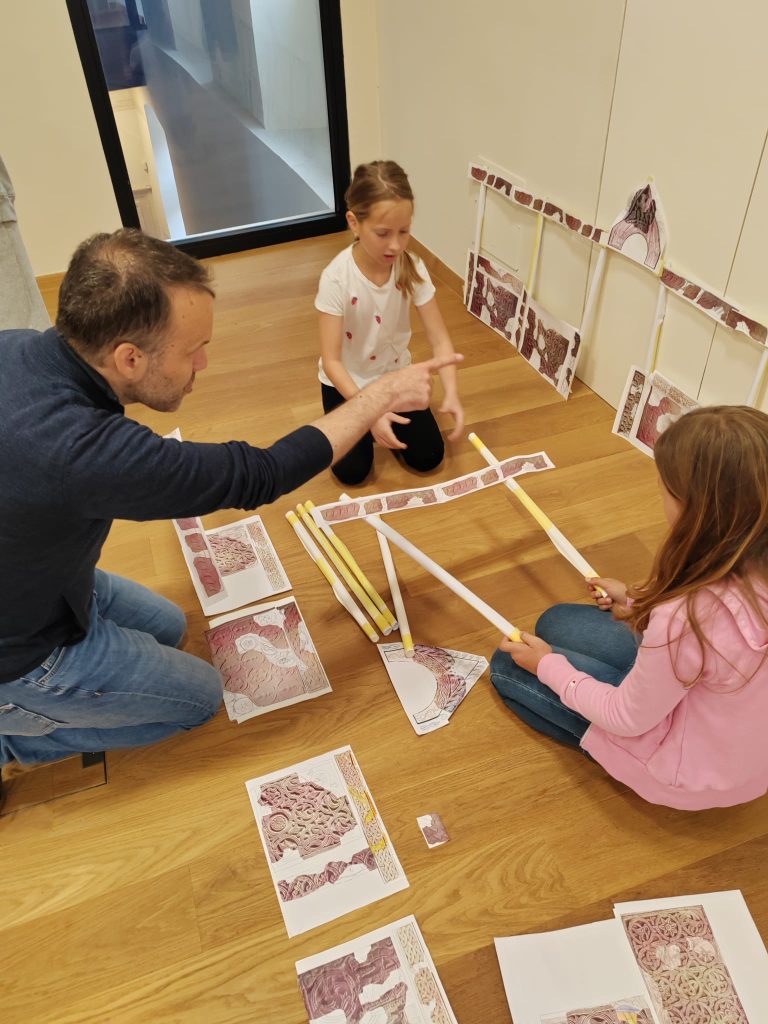
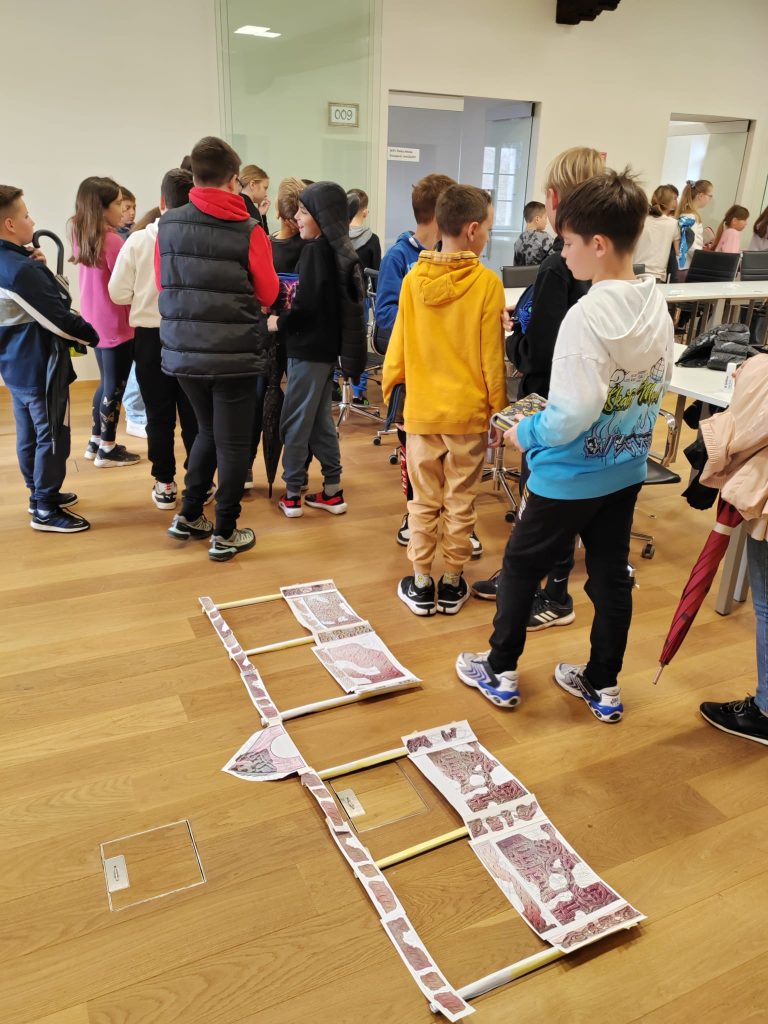
Members of the project team “Material, Interpretation, Communication, Memory: Early Medieval Stone Sculpture of the Northern Adriatic – MIKOM,” Associate Professor Danko Dujmović and Dr. Katarina Šprem (Udruga Petra), held educational workshops on 7 May 2026 at Moise Palace for lower primary school pupils from Frane Petrić Primary School.
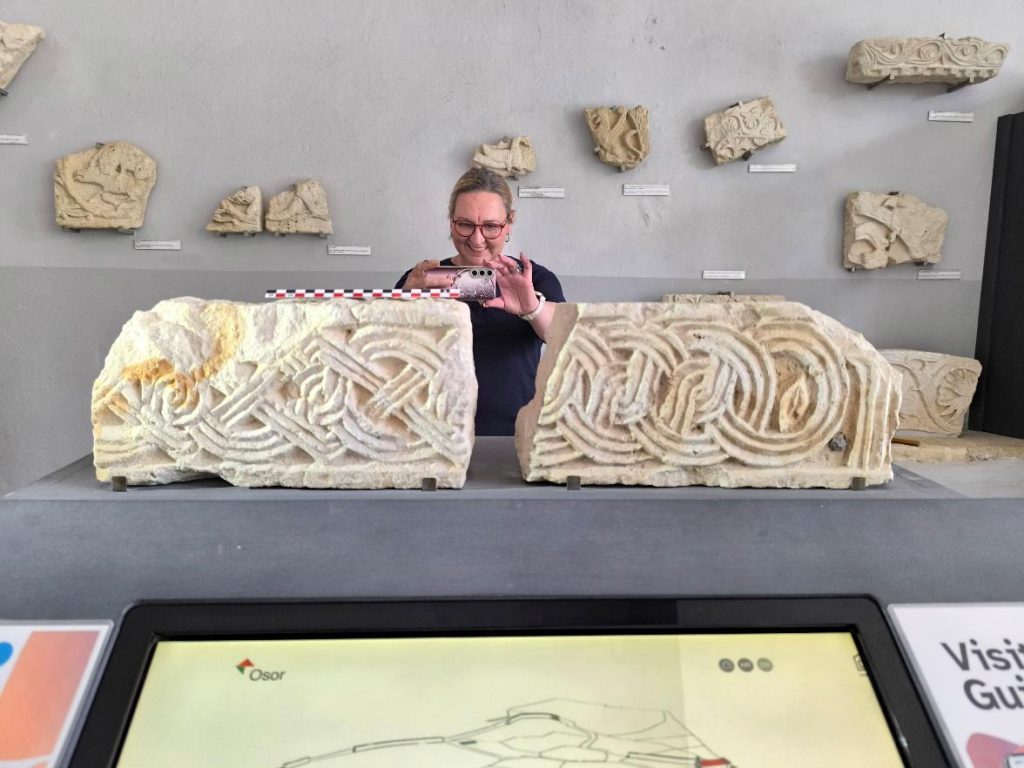
The workshops were organized as part of the University of Rijeka’s “UNIRI for the People of Cres” programme. The theme was “Reading Stories from Stone,” and the pupils explored the origin, types, and structure of stone in a geology workshop, as well as the decorative motifs and function of early medieval interlace stone sculpture from the islands of Cres and Lošinj in an art workshop. A total of around eighty pupils participated in the eight workshops that were conducted.
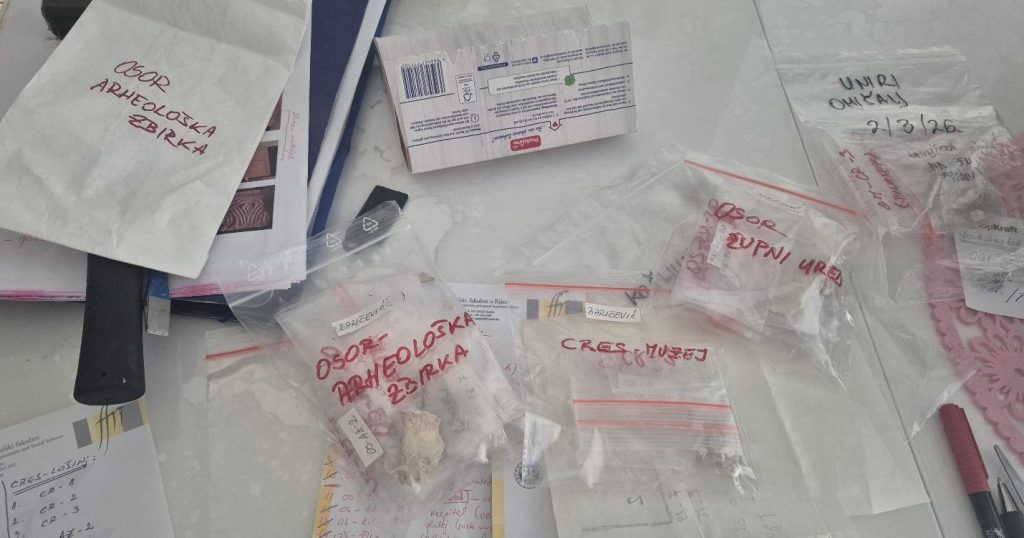
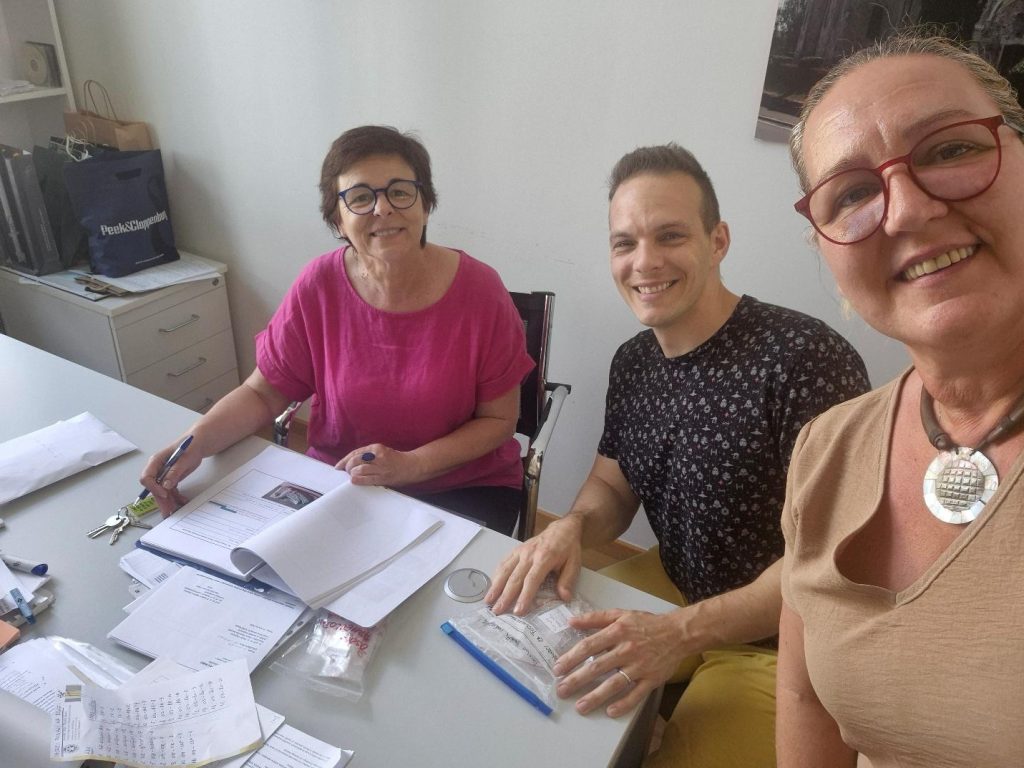
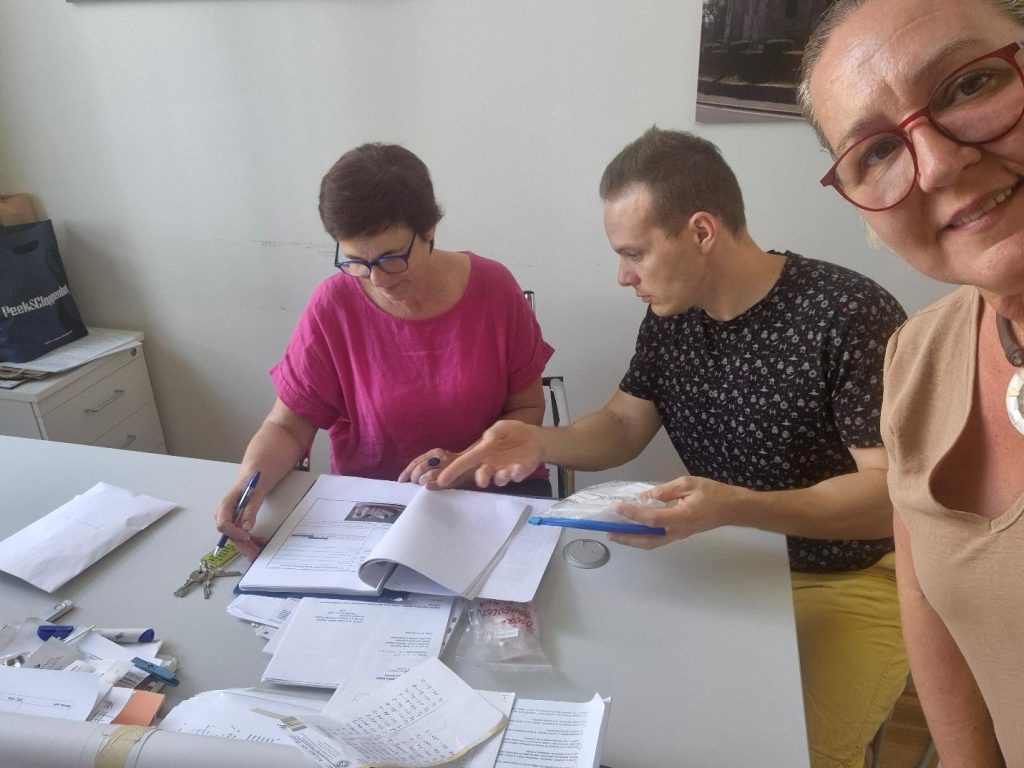
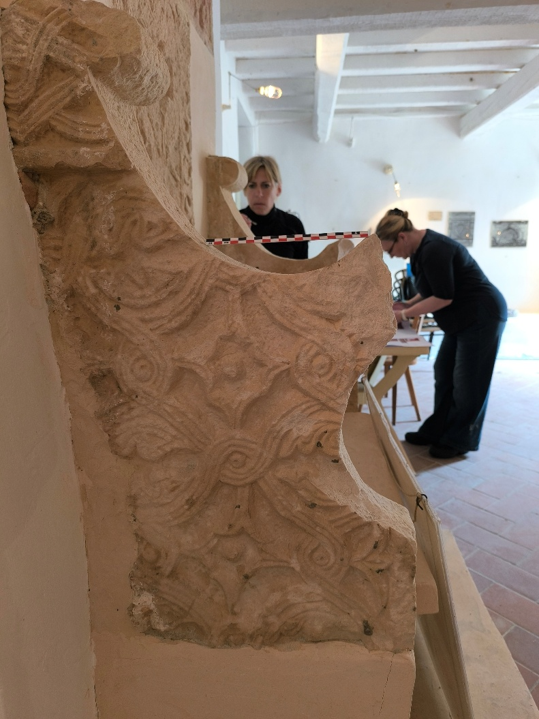
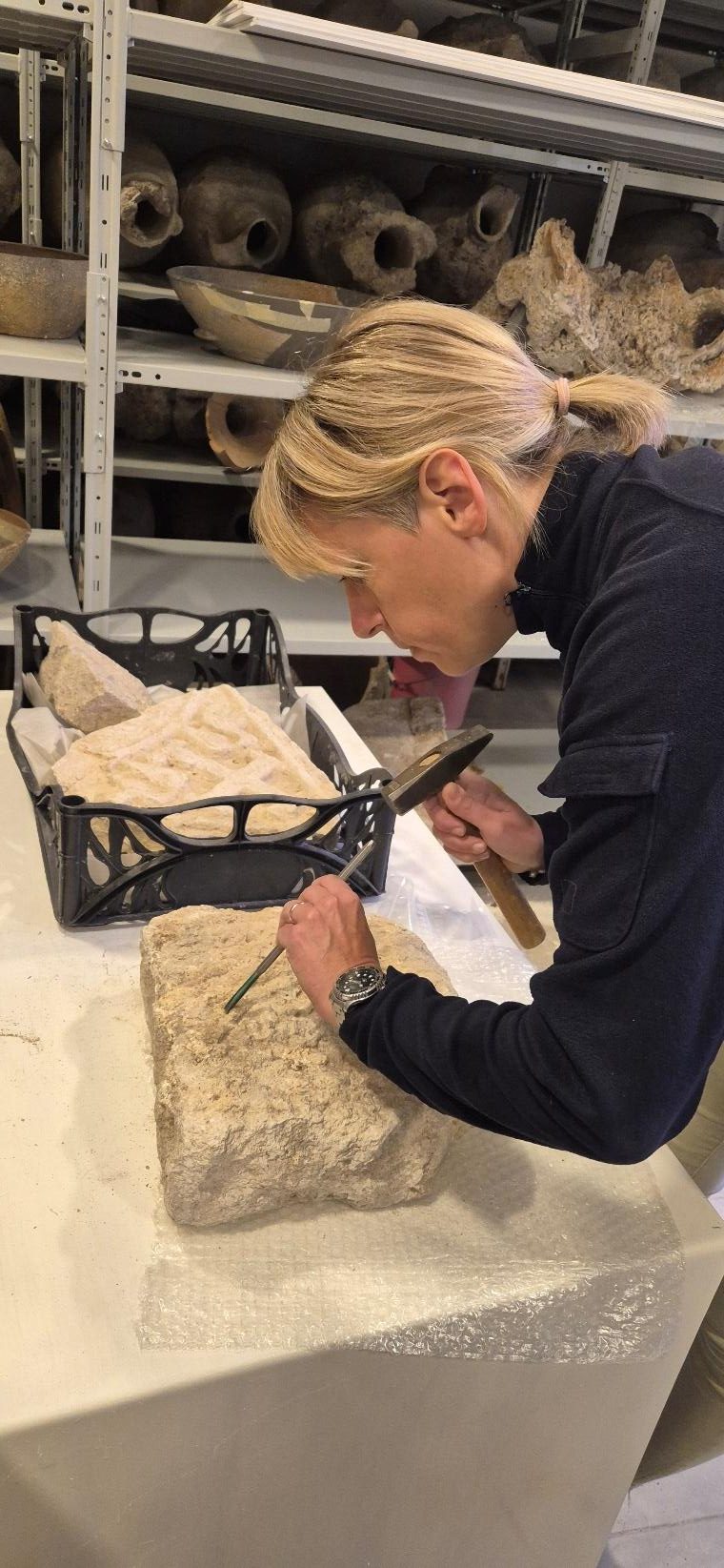
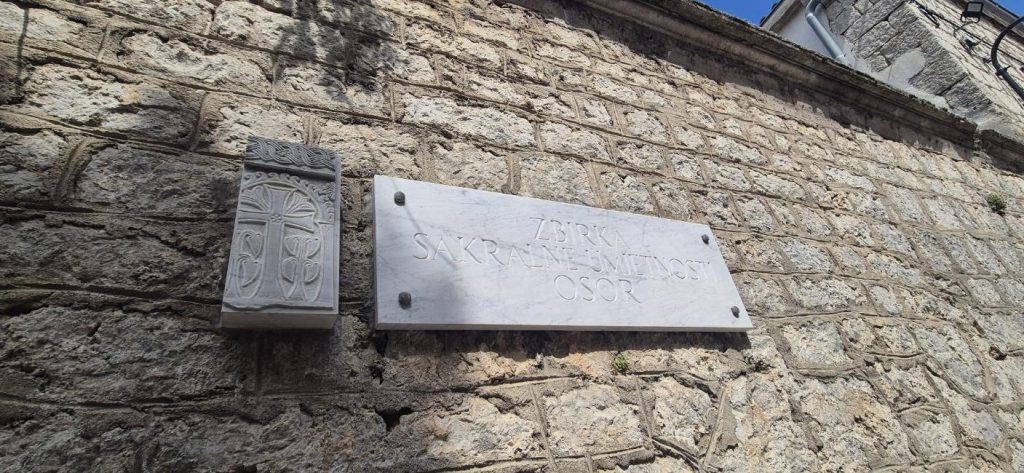
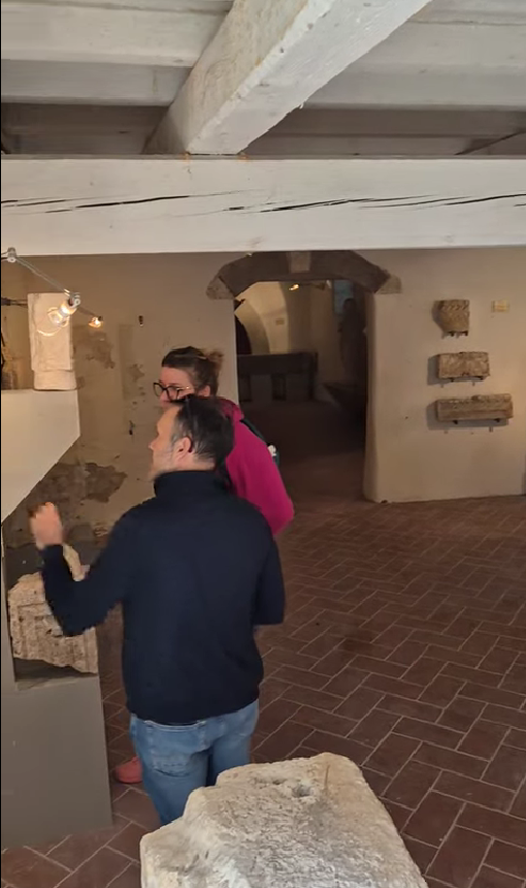
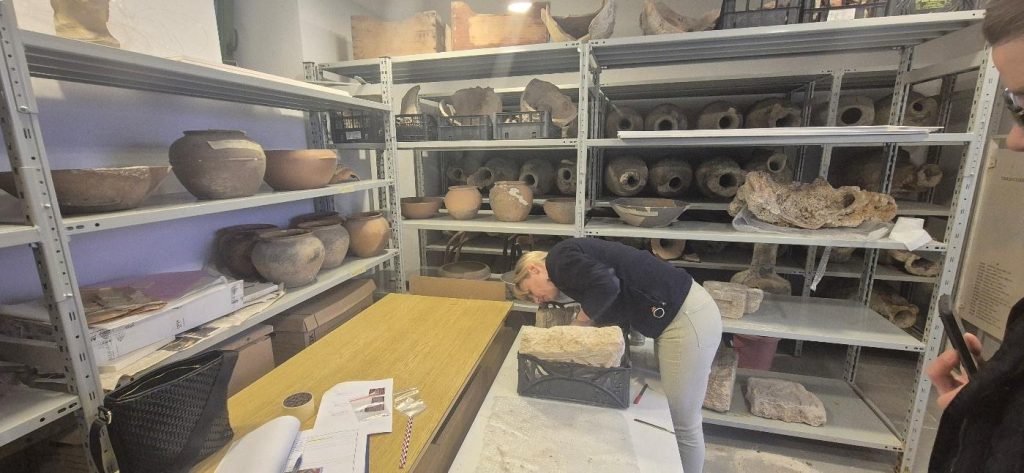
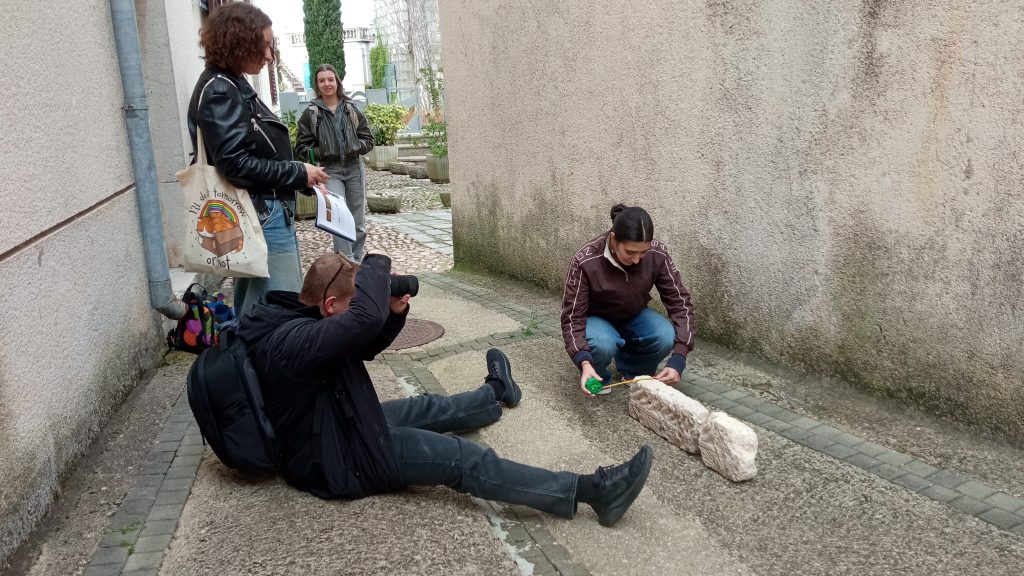
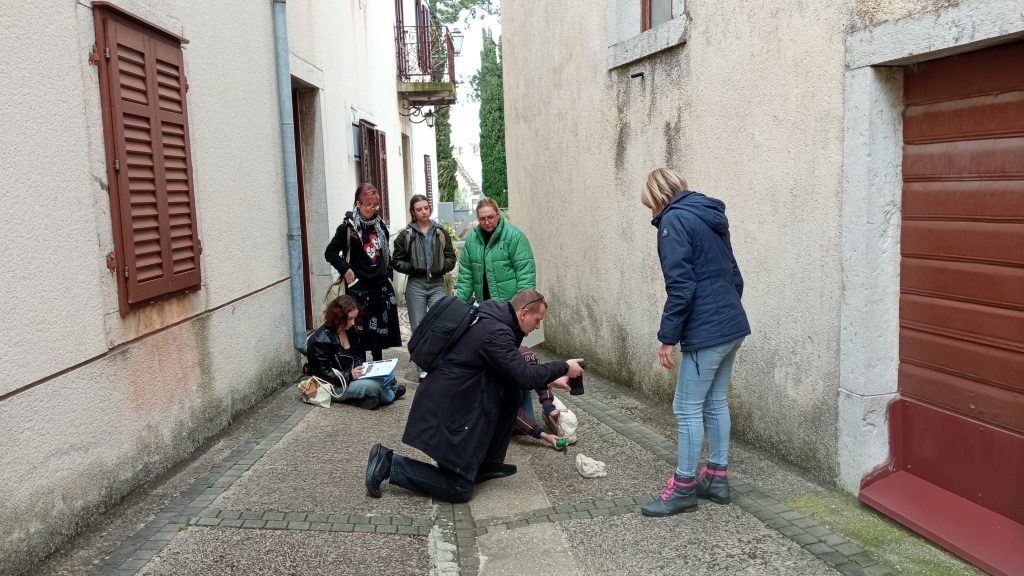
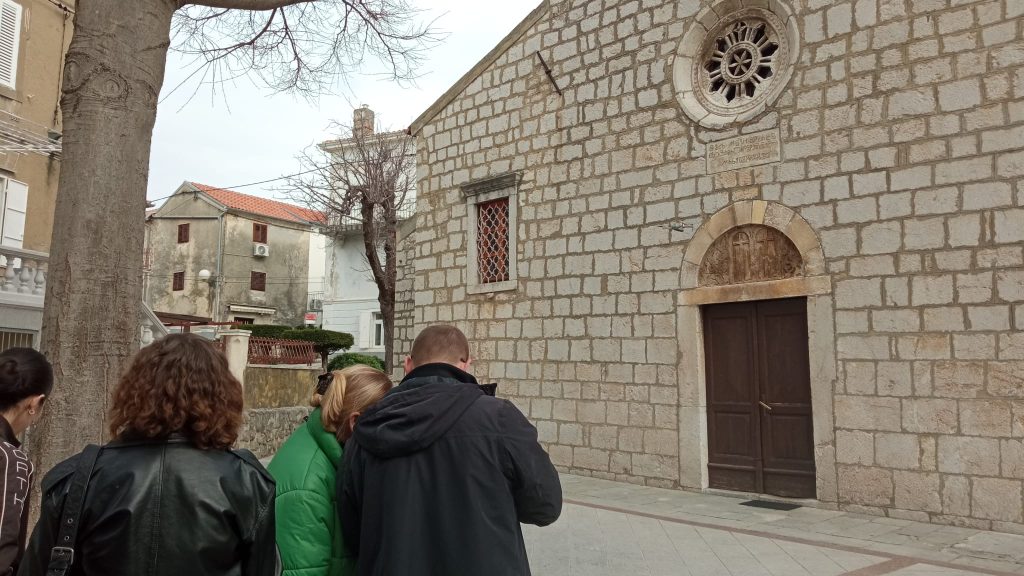
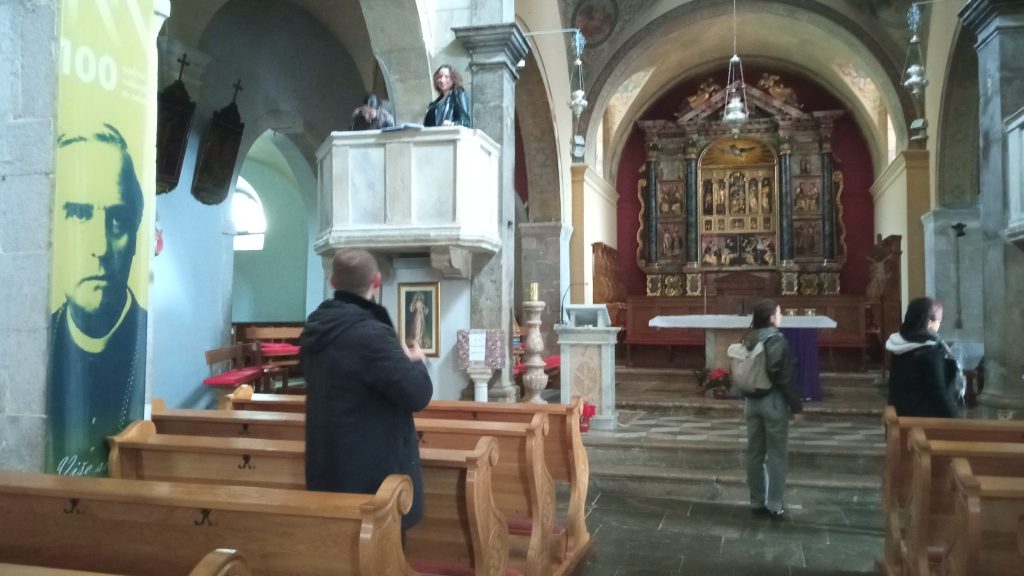
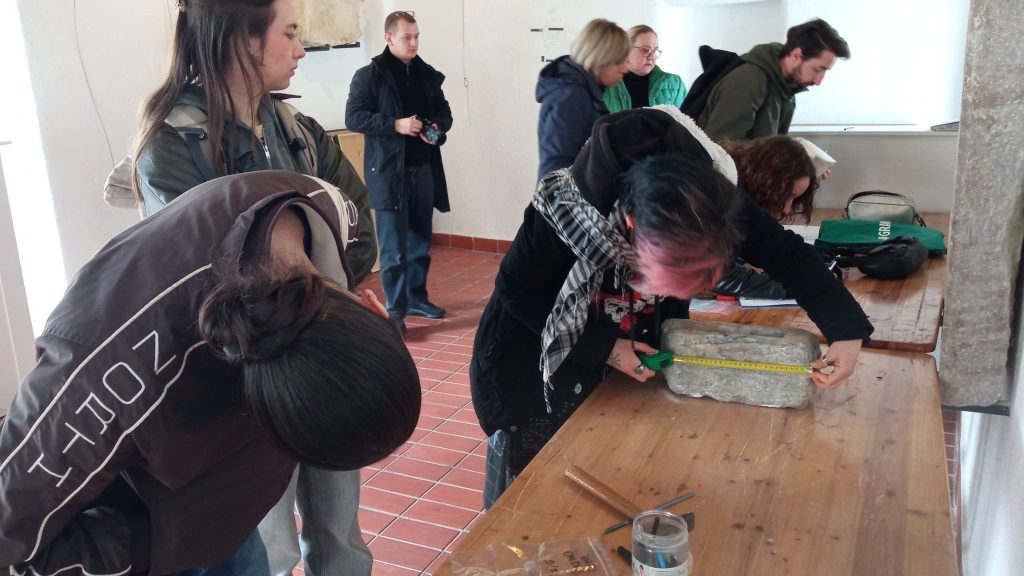
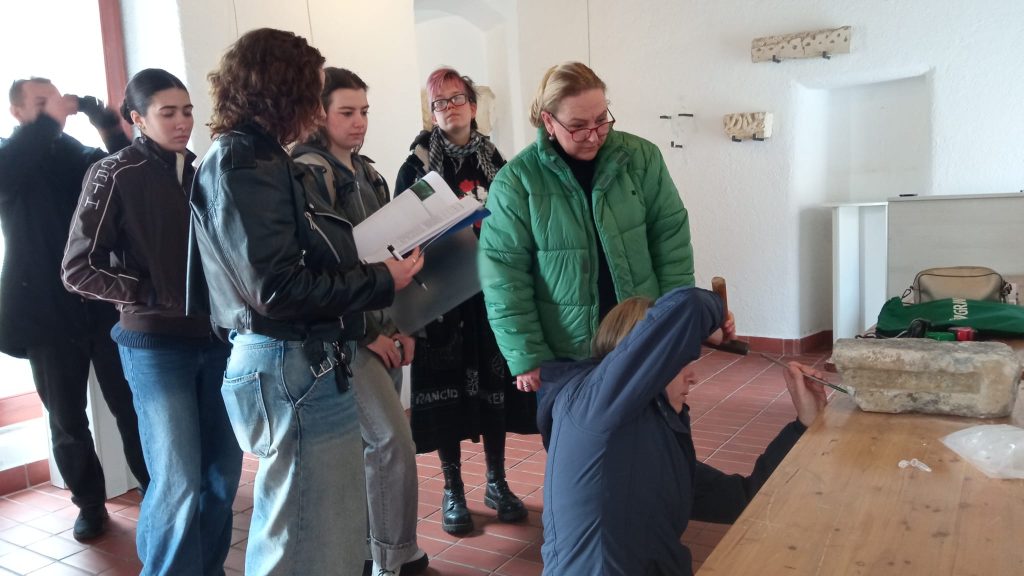
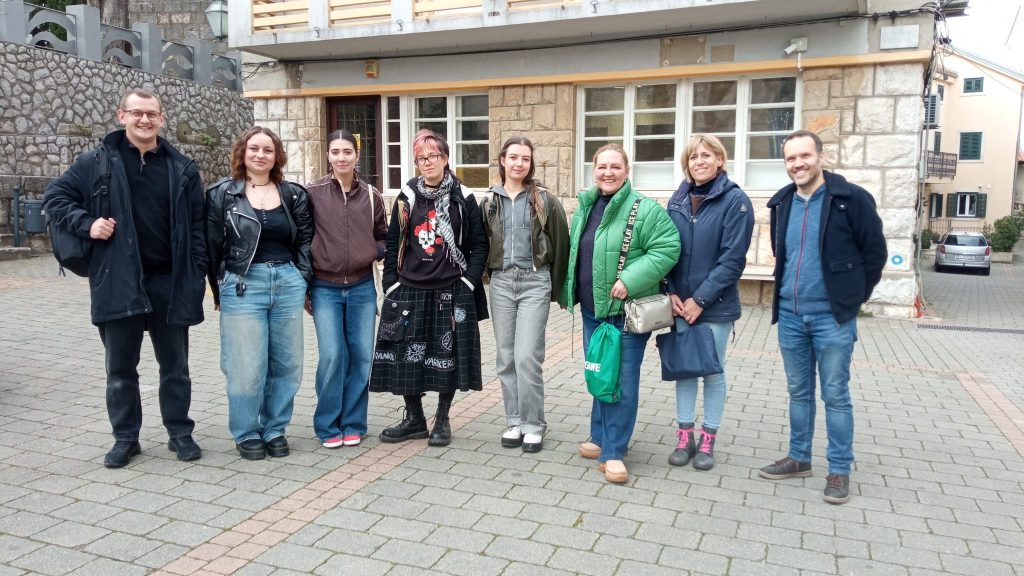
Within the MIKOM project, another field survey was conducted on March 2, 2026, on the island of Krk. Members of the project team, Dr. Nikolina Belošević and Associate Professor Danko Dujmović, visited sites in Omišalj and Dobrinj. They were joined in the field by undergraduate students of art history enrolled in the course Professional Practice 3, as well as Stjepan Petković, a graduate student of art history.
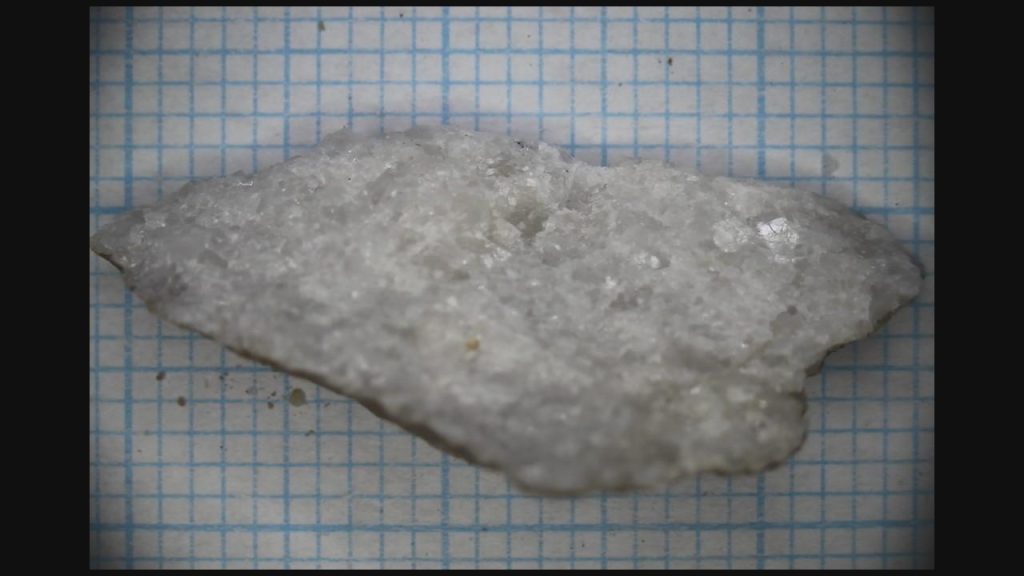
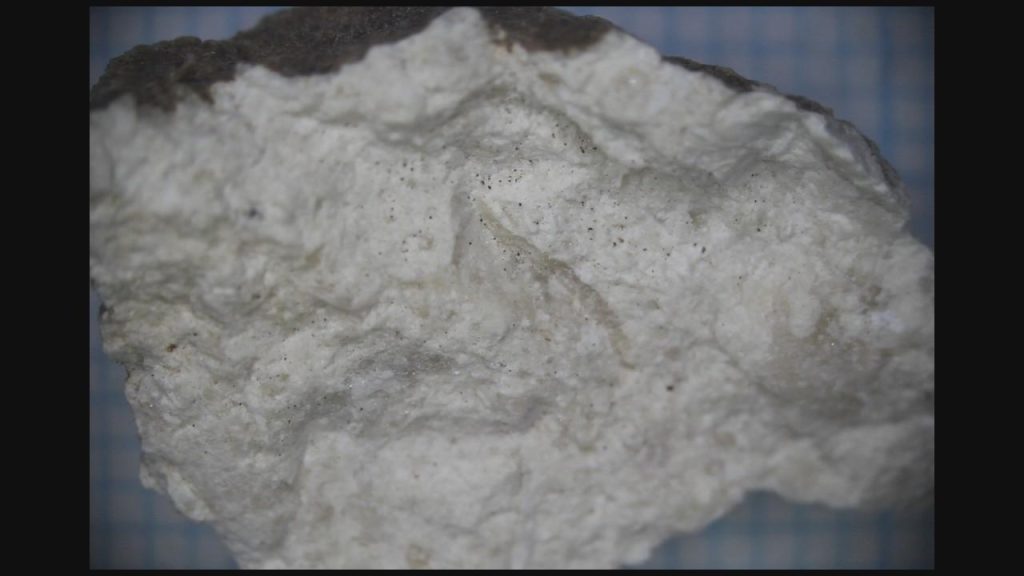
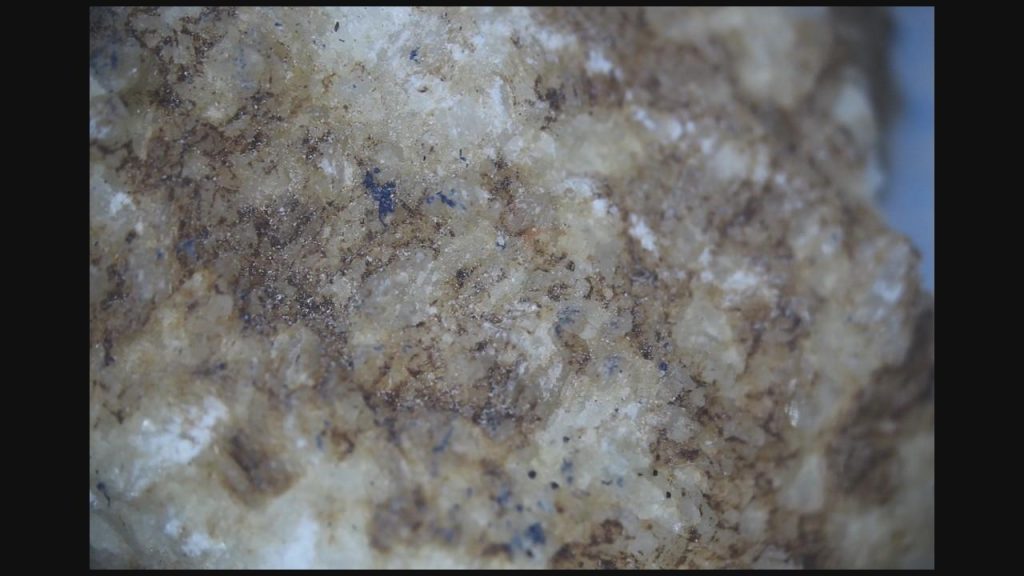
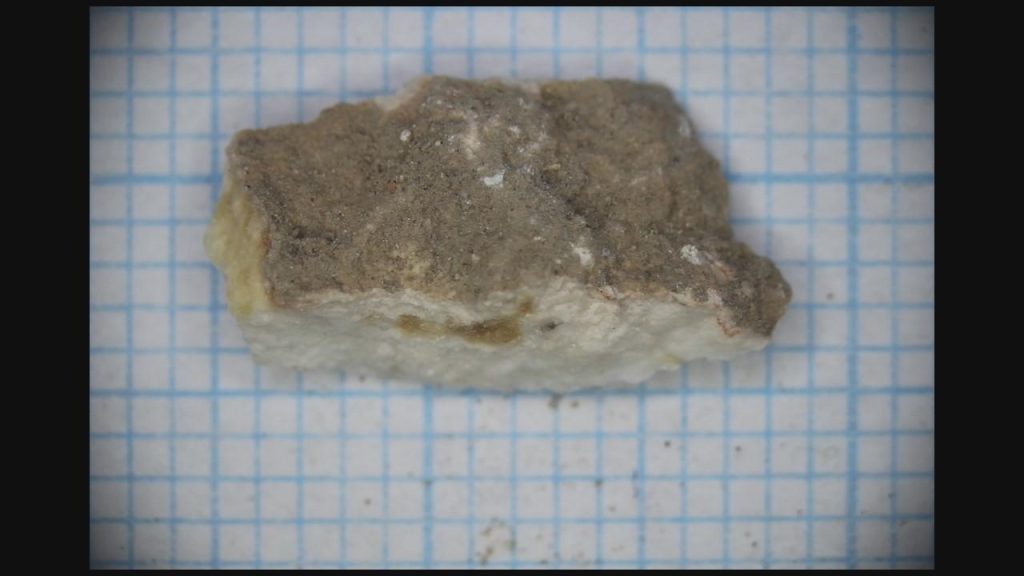
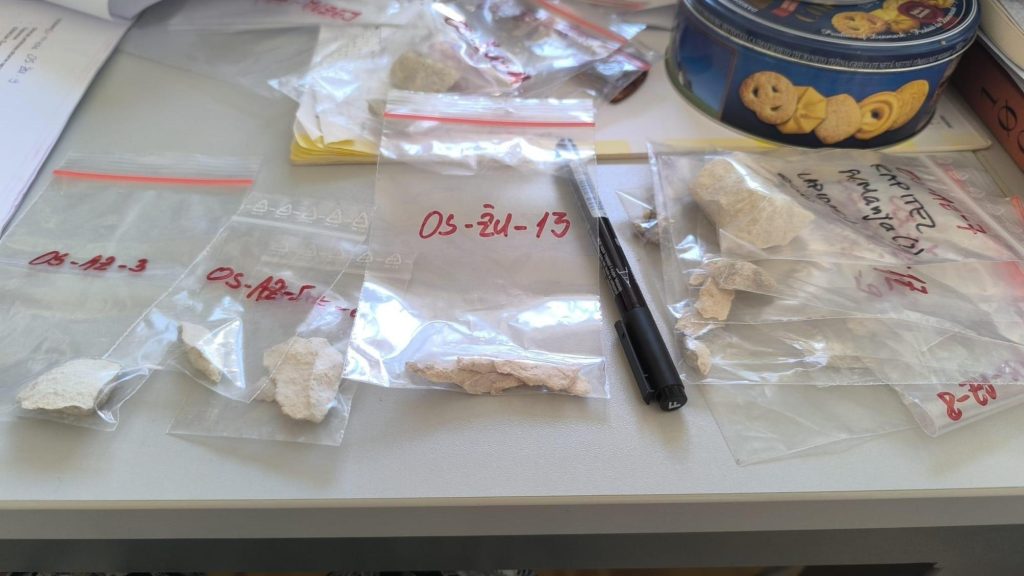
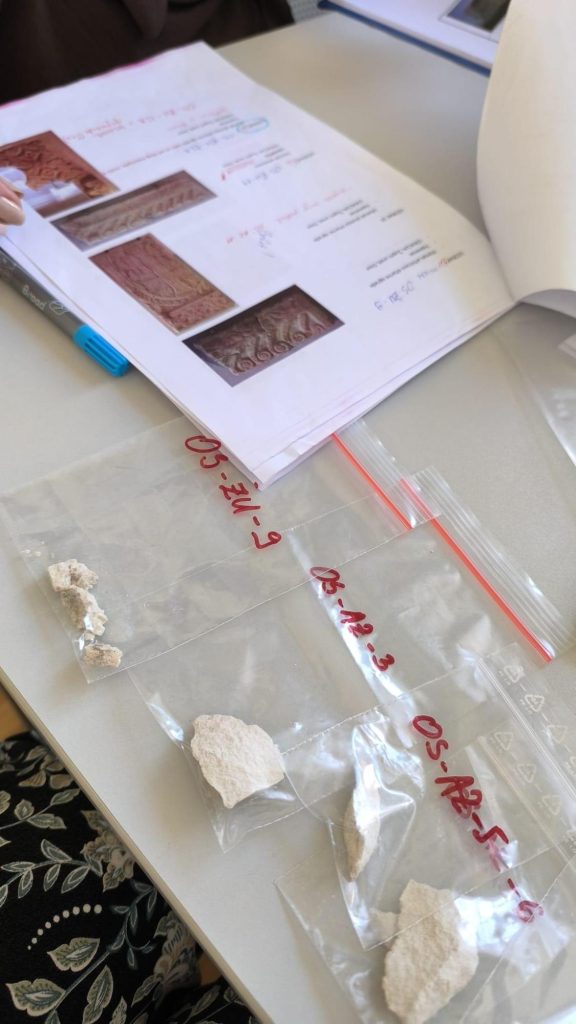
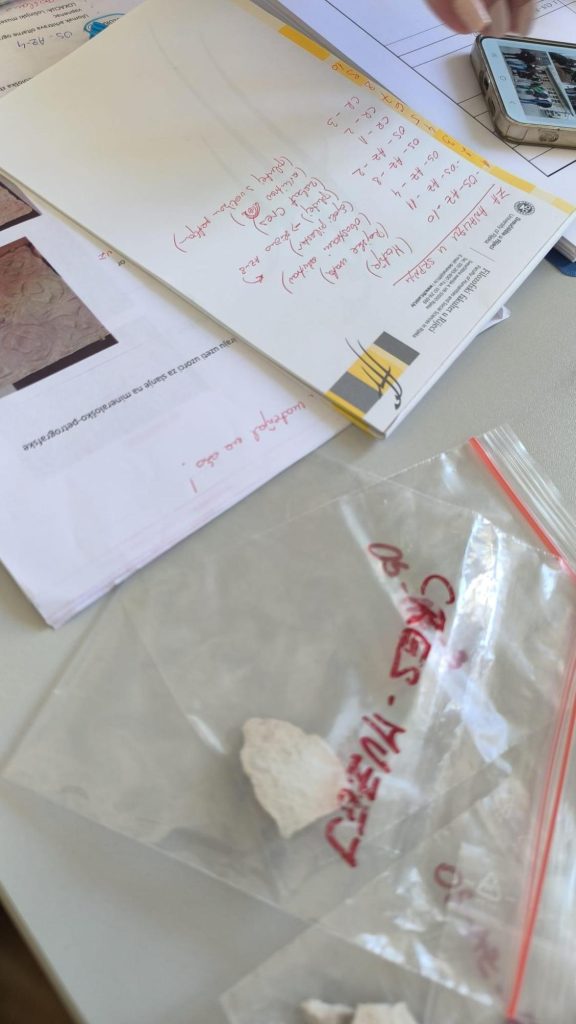
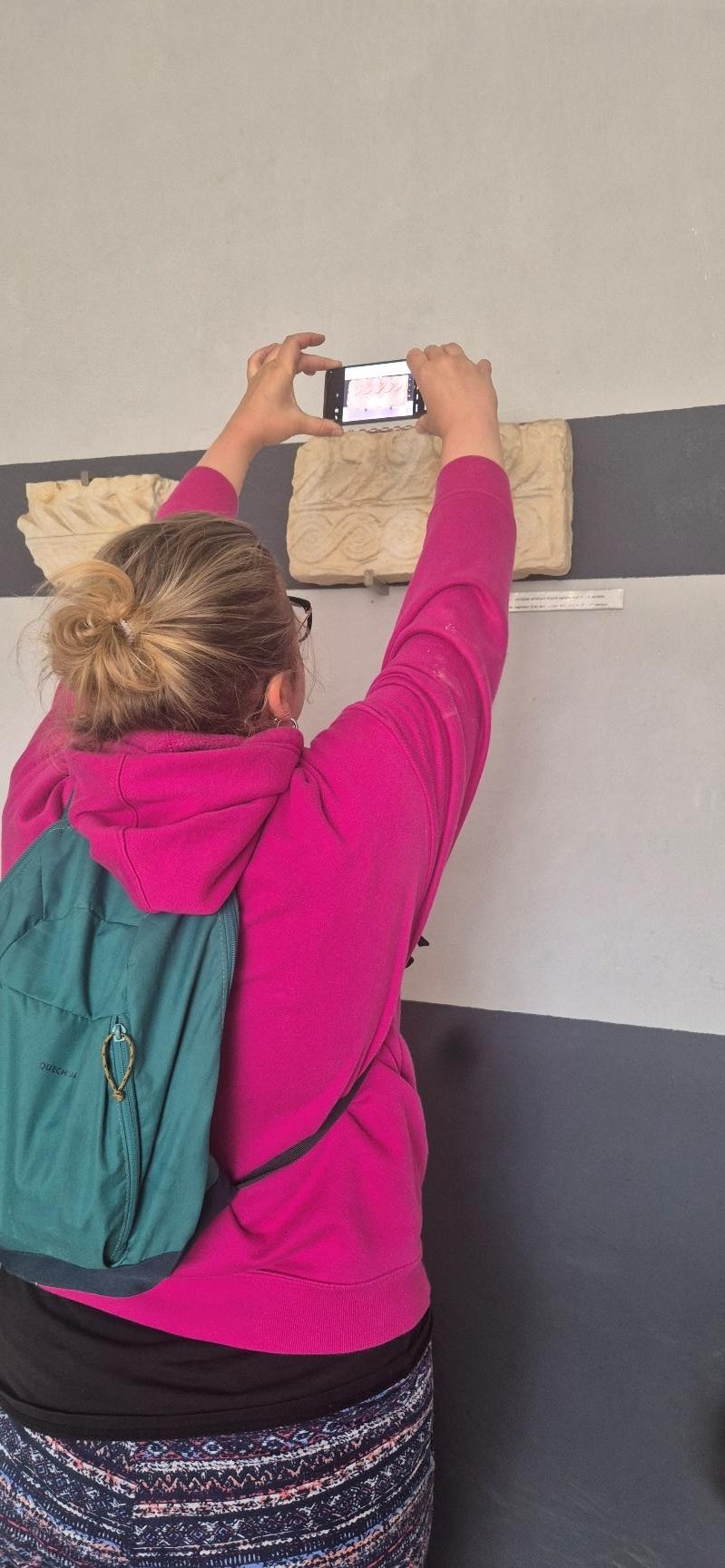
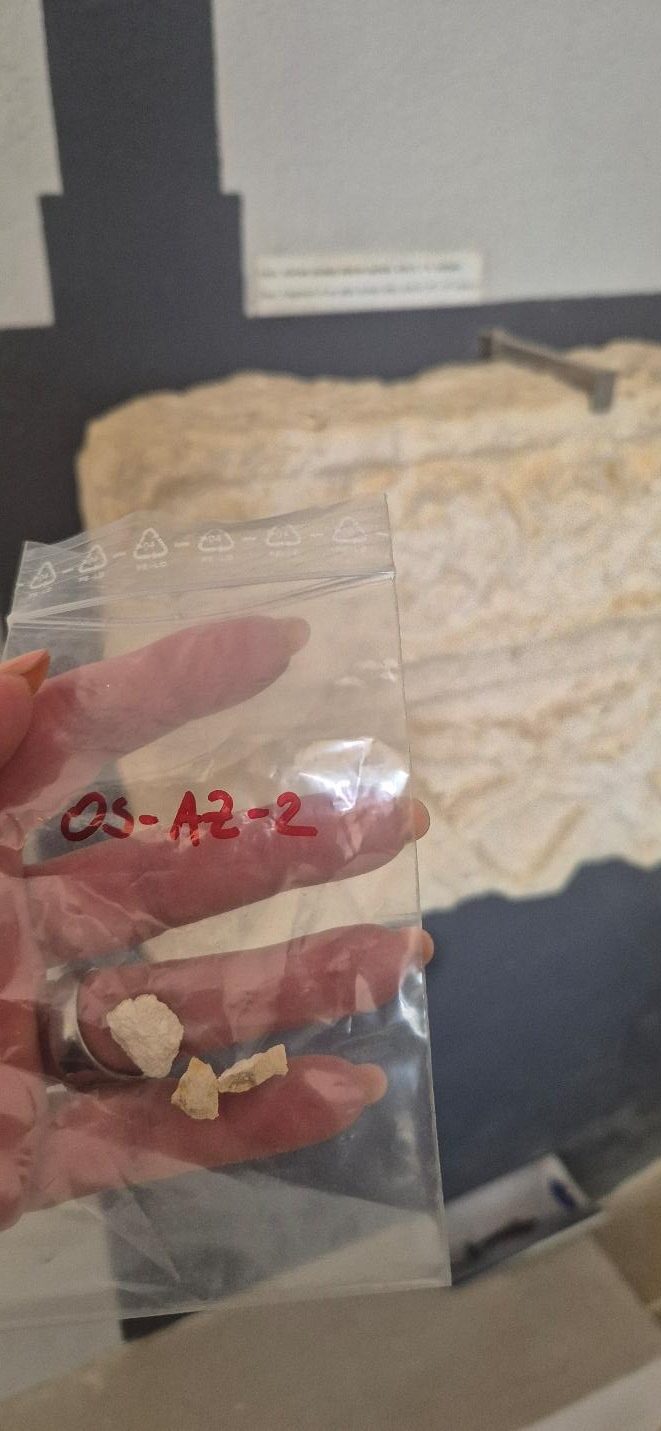
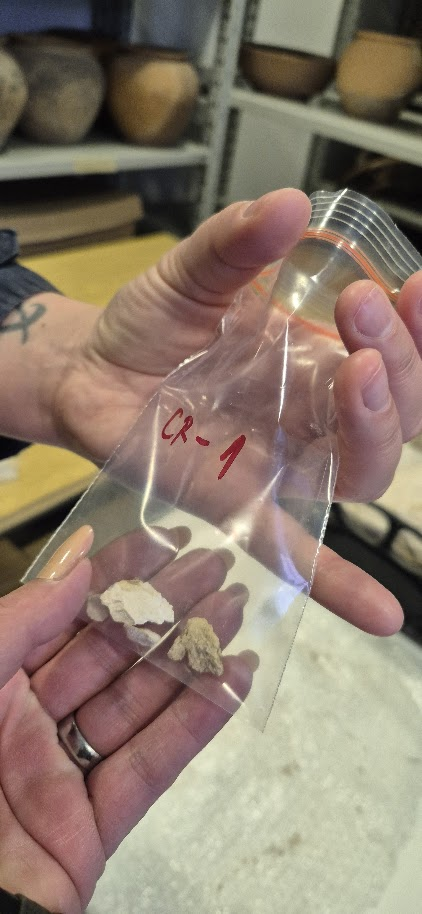
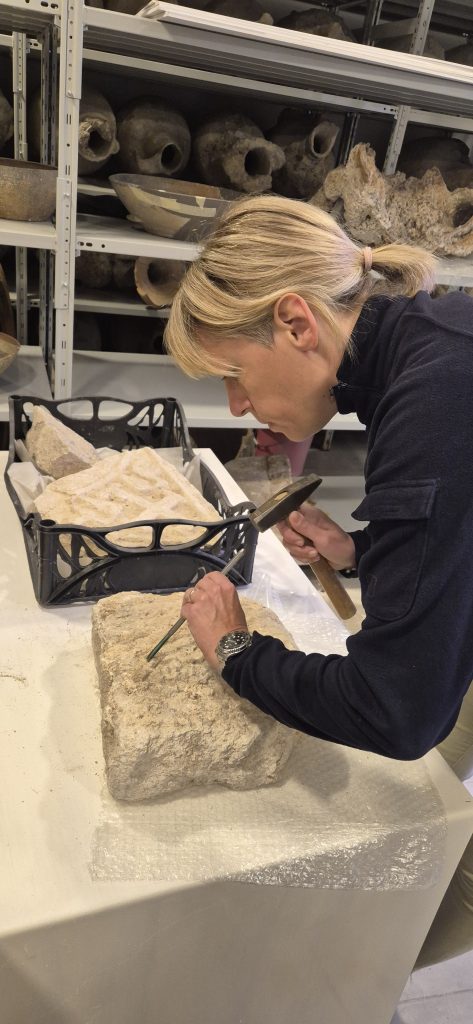
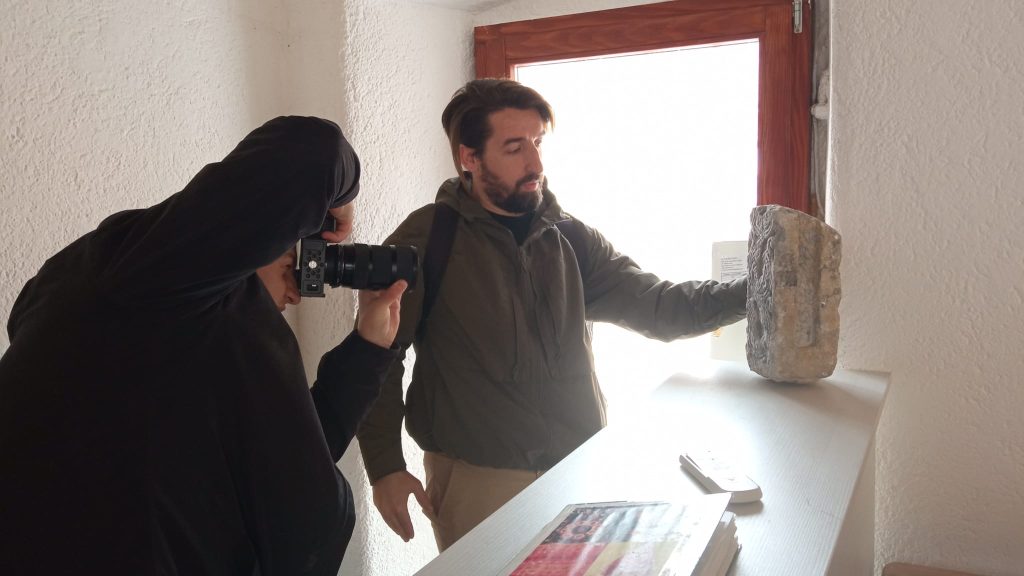
The field survey included the examination, documentation, photography, and sampling of fragments of early medieval stone sculpture. The sampling was carried out by Dr. Tea Zubin Ferri (Archeolab, Pula), under the supervision of colleague Ivan Braut from the Directorate for the Protection of Cultural Heritage, Regional Conservation Department in Rijeka.
On Friday, 6 February 2026, a presentation of the project In the beginning there was a kingdom – the exhibition and the monograph – was convened at the Rijeka City Hall, organized by the Department of Art History. The participants presented the basic goals and ideas of the project and discussed selected topics related to the project.
Members of the MIKOM project team, Prof. Dr. Marina Vicelja Matijašić and Dr. Nikolina Belošević, conducted the first field survey of selected sites on the island of Krk on 3 February 2026. In accordance with the planned objectives of the project, fragments of early medieval stone sculpture from the Archaeological Collection of the Franciscan Monastery on Košljun and from the Parish Church of the Nativity of the Blessed Virgin Mary in Njivice were photographed and sampled. The sampling was carried out by Dr. Tea Zubin Ferri (“Archeolab”, Pula), under the supervision of Ivan Braut from the Directorate for the Protection of Cultural Heritage, Regional Conservation Office in Rijeka.
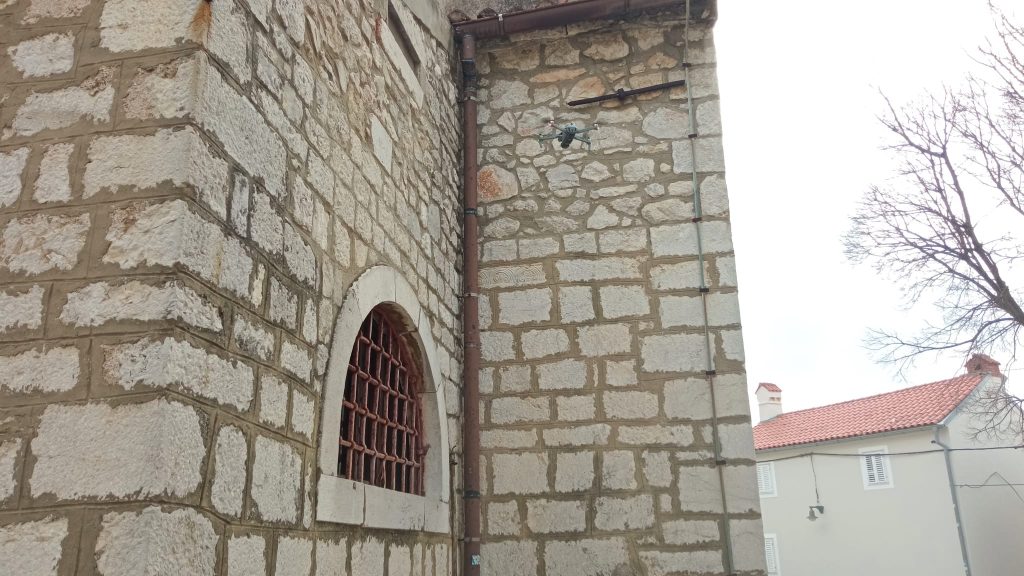
As part of the planned activities of the project “Material, Interpretation, Communication, Memory: Early Medieval Stone Monuments of the Northern Adriatic – MIKOM,” a field visit was conducted to the remains of the Church of St Andrew at the Betiga site in Istria. The site was examined by Associate Professor Danko Dujmović, PhD, Nikolina Belošević, PhD, and Toni Ivetić from the Conservation Department in Pula. Together with Dunja Martić, PhD, from the Archaeological Museum of Istria, they also reviewed the photographic documentation of stone sculpture fragments uncovered during archaeological excavations of the church at Betiga, which are preserved in the collection of the Archaeological Museum of Istria.
The field visit was also attended by undergraduate art history students from the Faculty of Humanities and Social Sciences in Rijeka (FFRI) enrolled in the elective course Professional Practice 3, as well as Stjepan Petković, a graduate student of art history at FFRI. Drawing on their on-site observations, the students completed a practical assignment involving the selection, processing, and analysis of material from Betiga as part of the preparations for an exhibition, one of the project’s planned outcomes.
In addition to gaining an understanding of the historical context and development of the Church of St Andrew complex and completing their practical work, the students also acquired basic skills in drone operation and aerial recording under the mentorship of Stjepan Petković.
The 4th International Conference: Studies in Art History and Archaeology of the Adriatic from Antiquity to the Middle Ages: Heritage and Communications was organized as a planned activity within the project Material, Interpretation, Communication, Memory: Early Medieval Stone Monuments of the Northern Adriatic – MIKOM. The conference was held at the Faculty of Humanities and Social Sciences of the University of Rijeka on the 26 November and at Grobnik Castle one the 27 November 2025, with the support of the Faculty of Humanities and Social Sciences in Rijeka, the Čakavian Assembly of Grobnik Region and the Municipality of Čavle.
The working sessions assembled 24 speakers from Italy, Germany, Switzerland, Hungary, Serbia, Spain, and Croatia, who shared the results of their research. Their contributions highlighted various aspects of communication within the context of cultural heritage from Antiquity to the Late Middle Ages, mostly focused on the north Adriatic region, being one of the important topics in the project.
In the final part of the conference, Dr Dolores Oštrić from the Conservation Department in Rijeka presented on site the results of recent research, conservation interventions, and the challenges in the presentation of Grobnik Castle. Ivo Bogović of the Čakavian Assembly of Grobnik Region introduced the activities organized within the Grobnik Castle complex, as well as the ways in which the site communicates with the local community and other visitors.
Welcome to the web pages of the research project Material, Interpretation, Communication, Memory: Early Medieval Stone Sculpture of the Northern Adriatic – MICOM, launched on 1 October 2025 as a part of the research program funded by the European Union (NextGenerationEU). The project will be managed and administrated at the Department of Art History, Faculty of Humanities and Social Sciences, University of Rijeka, under the leadership of Prof Marina Vicelja-Matijašić until 1 October 2029. The project team consists of 10 experts from seven academic and research institutions, who will explore and study early medieval stone sculpture of the northern Adriatic in an interdisciplinary approach.
More about the project read on the “About the project” link on this page.
Follow the announcements about the activities and results of our work.